




Hamburg is using an AI-powered platform to optimise electric ferry schedules, manage energy demand, and improve passenger information – supporting its goal of a zero-emissions public transport system.
electric vehicle
10 posts
Rimini has launched HORECA LAST MILE, a smart logistics project using refrigerated micro-hubs, zero-emission cargo bikes, and real-time software to make urban food deliveries cleaner, faster and more efficient.
Initiatives in the Netherlands and Sweden are demonstrating the potential of vehicle-to-grid (V2G) technology to enhance grid stability, support the integration of renewable energy, and accelerate the shift to low-emission urban mobility across Europe.
A new study by Einride and Fraunhofer ISI shows that AI-powered fleet planning can reduce costs by up to 13% and enable electric trucks to carry 85% of payloads – offering a smarter, more efficient path to freight electrification.
The SCALE project has published technical guidelines to help standardise smart and bidirectional charging infrastructure across Europe. The recommendations support EU climate goals by making electric mobility more flexible, user-friendly and energy-efficient.
The Romanian city of Iași has introduced the first of 18 new electric trams, designed to cut emissions and improve urban mobility. The remaining vehicles will be delivered in phases as part of a major public transport upgrade.
Zagreb’s public transport operator ZET has launched a €50 million tender to acquire 70 electric buses, part of the city’s shift to a zero-emission fleet.

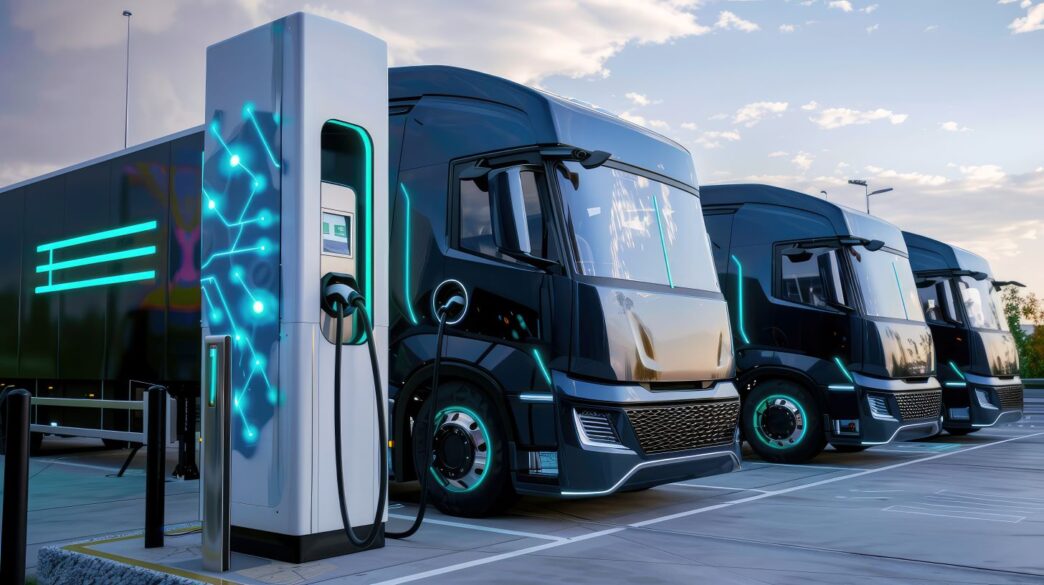
A Commission Communication assesses whether zero emission heavy duty vehicles are entering the market as expected at the time of adopting AFIR and whether the mandatory infrastructure deployment targets for HDV for the year 2030 as stipulated under AFIR are in line with the expected vehicle uptake.
In the first quarter of 2025, one in three newly registered cars in Belgium was fully electric—a figure that’s expected to rise steadily in the years ahead.
A new legislative proposal in Finland grants municipalities the authority to regulate electric scooters and other micromobility vehicles, including setting operating hours, speed limits and parking restrictions, to improve safety and reduce road traffic fatalities.