




On 20 May, two expert groups of the European Commission — the Smart Energy Expert Group and the…
charging infrastructure
7 posts


Harmonised rules empower consumers via precise and transparent billing. It also helps manufacturers benefit from cost savings and faster infrastructure deployment through unified requirements.


A new study by Einride and Fraunhofer ISI shows that AI-powered fleet planning can reduce costs by up to 13% and enable electric trucks to carry 85% of payloads – offering a smarter, more efficient path to freight electrification.
The SCALE project has published technical guidelines to help standardise smart and bidirectional charging infrastructure across Europe. The recommendations support EU climate goals by making electric mobility more flexible, user-friendly and energy-efficient.

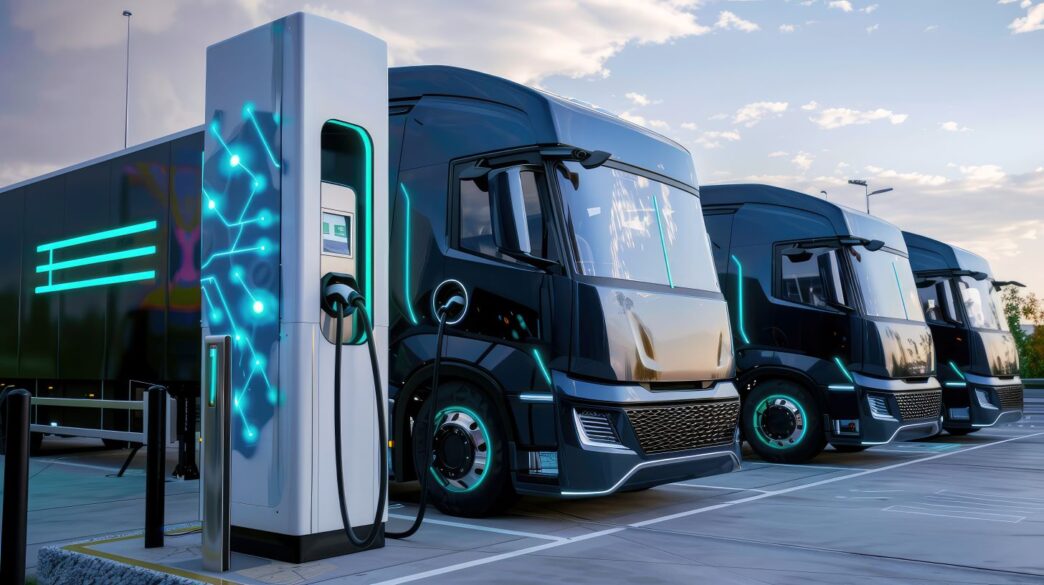
A Commission Communication assesses whether zero emission heavy duty vehicles are entering the market as expected at the time of adopting AFIR and whether the mandatory infrastructure deployment targets for HDV for the year 2030 as stipulated under AFIR are in line with the expected vehicle uptake.


Rome is set to roll out 250 electric buses and 100% renewable-powered charging, bringing zero-emission transport to the city’s east and west districts.
In the first quarter of 2025, one in three newly registered cars in Belgium was fully electric—a figure that’s expected to rise steadily in the years ahead.