

Martynas Klevinis is a Lithuanian aquaculture farmer dedicated to making his farm more sustainable, while giving the public an opportunity to learn about fish farming. In Dreverna, on Lithuania’s Baltic coast, Martynas’s Arctic char farm used EU funding to invest in solar energy, a light commercial delivery van fitted for transporting fish, and learning materials for visitors.
From coastal challenge to local opportunity
Dreverna lies in Klaipėda District, where fisheries, aquaculture and tourism meet. Local fish is part of regional identity, but small producers face competition from imported seafood, high running costs and energy uncertainty. For a farm raising Arctic char, reliable power is essential for water treatment, pumps and monitoring. Martynas’s challenge was to make the farm more efficient and resilient, while building consumer trust.
Renewable energy and zero km fish
Improving efficiency started with generating the farm’s own electricity. A 25 kW solar panel system now helps generate power on site, reducing exposure to price fluctuations and lowering the farm’s environmental impact.
To strengthen the business further, Martynas also shortened the route from farm to plate. A light commercial delivery van fitted for transporting fish enables fresh products to reach customers quickly and under suitable conditions. Together with an on-site shop, this strengthens a local supply chain in the Klaipėda region. Customers can buy Arctic char directly, including fillets, smoked and air-dried fish and prepared dishes. Local catering outlets also use fish from the farm, adding value to regional food and tourism.
Opening the farm gates to build consumer trust
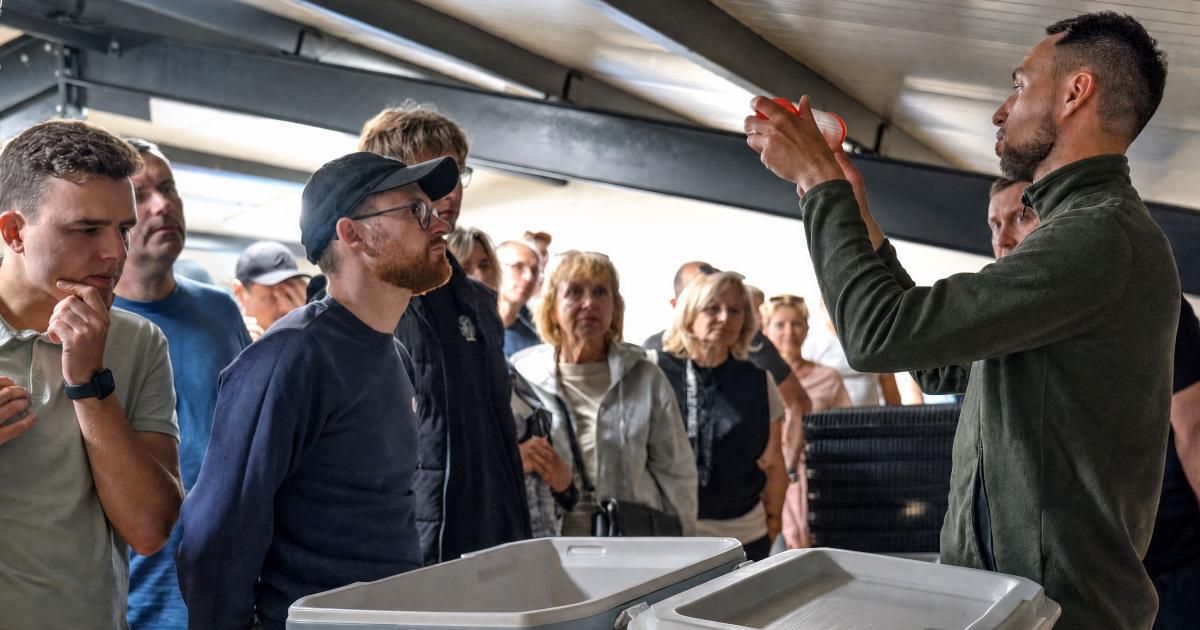
Martynas also wanted the farm to become a place of learning for the community. The project created an exhibition area, a short film, and digital and animated publications explaining the journey of Arctic char from responsible farming to local consumption. Visitors learn how water quality is monitored, why a reliable power supply is essential for fish welfare, and how renewable energy supports aquaculture. Designed for children, young people and families, the activities show that fish farming is both food production and careful environmental management.
More than 100 people have visited the farm and learning centre.
“I wanted to create not only a more modern farm but also a place where people can discover contemporary aquaculture, so that children and young people understand how fish are raised, what resources are required and how this relates to quality food.”
Martynas Klevinis
A model with a future
The project maintains two jobs and offers a model that other aquaculture farms could adapt: produce responsibly, sell locally and invite the public in. Martynas sums up the short-chain approach simply: “It matters to me that fish raised on the farm reach customers fresh, so I invested in a vehicle that would help deliver them quickly and under suitable conditions.” By connecting clean energy, fresh Lithuanian fish and public learning, this coastal farm has strengthened its resilience while making aquaculture more visible, trusted and valued.