

In short…
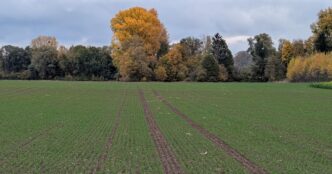
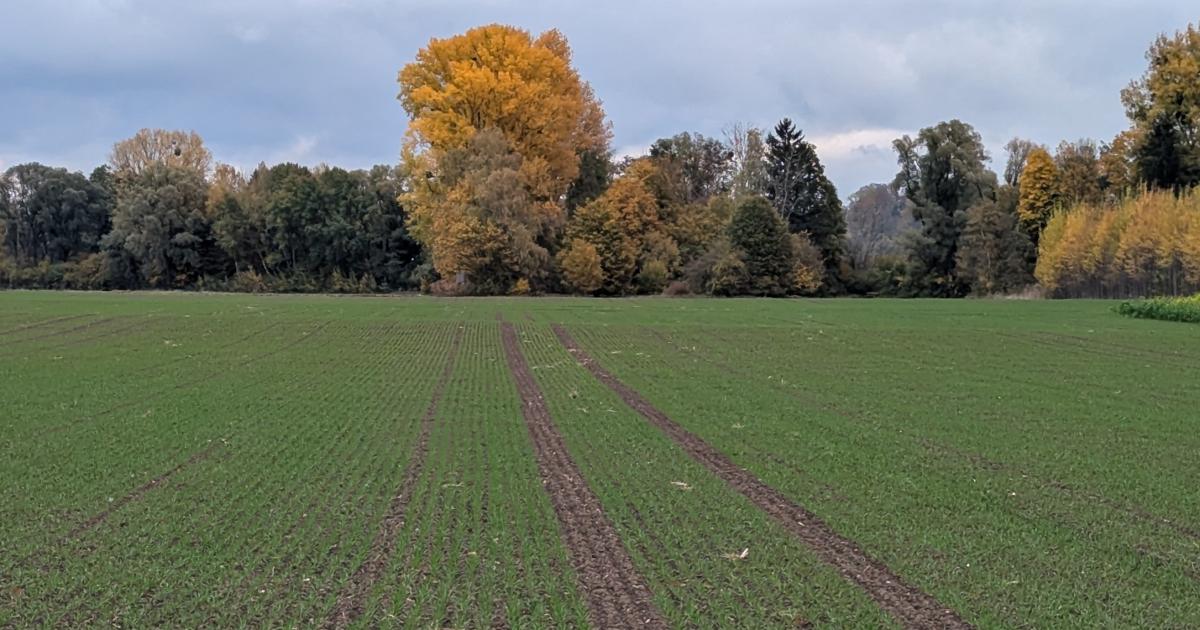
The 2026/2027 winter crop season has started generally satisfactorily across Europe. Winter crop sowing is largely complete, with remaining operations concentrated in southern and south-eastern regions. Rainfall in October and November improved soil moisture and supported crop establishment in many previously drought-affected regions, while drier conditions in the Baltic states eased waterlogging. Colder weather since early November has advanced winter crop hardening across much of northern, western and central Europe, improving frost tolerance.
Localised concerns persist where dry soils hamper establishment, excessive rainfall interrupts sowing, or early-November frosts may have affected insufficiently hardened crops.
Forecast rainfall across much of Europe could further replenish soil moisture but may interrupt remaining field operations. Frosts forecast in northern, central and eastern Europe warrant continued attention to late-established crops. Access the full version of the latest JRC MARS Bulletin for updated agricultural information.
Areas of concern
Frost in central and southern Poland, parts of Czechia and Slovakia, eastern Hungary, north-western Romania and western Ukraine: Temperatures dropped locally to –8 °C during 7–10 November, posing a risk to recently emerged rapeseed and late-sown winter cereals that may not yet be sufficiently hardened. However, preceding dry conditions may have mitigated the effects of the frost. Any damage is expected to be localised and has not yet been confirmed.
Water deficit in the border region between Germany and Poland: Soil moisture deficits have improved since October but still persist locally. Although no significant crop impacts have been reported, conditions warrant monitoring, particularly for the establishment of rapeseed before winter dormancy.
Water excess in parts of south-eastern Europe:
- Southern Romania and northern Bulgaria: Heavy rainfall has locally interrupted winter cereal sowing. However, conditions remain generally satisfactory, with sufficient time to complete sowing before the end of November.
- Western half of Türkiye: Persistently wet conditions have hampered winter cereal sowing in some regions. Nevertheless, the long sowing window allows sufficient time for completing field operations.
Further agricultural information
Subscribe to the JRC MARS Bulletin | JRC MARS (Monitoring Agricultural Resources) Bulletins
For comprehensive agricultural insights for Europe, explore the JRC AGRI4CAST website, which offers a wealth of information, tools, data and tutorials, including:
- JRC MARS Bulletins: Receive monthly analyses on crop growth conditions and yield forecasts for the EU and neighbouring countries.
- JRC MARS Atlas: Provides a comprehensive set of up-to-date agro-weather and crop-related indicators to monitor agricultural conditions across Europe.
- AGRI4CAST Resources Portal: Utilise freely available datasets and software developed by AGRI4CAST for public use.
- JRC MARS System Wiki: Wiki of the JRC MARS Crop Yield Forecasting System (MCYFS), providing background information on the technical JRC platform used for crop monitoring and European yield forecasting in support of the EU CAP.
- Crop Forecasting Videos: Engage with an educational collection of videos that provide an overview of crop monitoring and yield forecasting activities.
For global agricultural insights, visit the JRC Anomaly Hotspots of Agricultural Production (ASAP) website to access the latest information on global agricultural production hotspots in countries at risk of food insecurity.
Links to related topics