

Guimarães’ green transition has been built over time through a combination of political commitment, scientific knowledge, collaboration and community participation. At the heart of this process is Laboratório da Paisagem (Landscape Laboratory), an institution created by the Municipality of Guimarães, the University of Minho and the University of Trás-os-Montes and Alto Douro to strengthen the city’s capacity to understand its territory, anticipate environmental challenges and turn scientific knowledge into action.
Founded in 2014, the Laboratory emerged from a clear need identified in the early stages of Guimarães’ environmental journey: to improve the availability of local environmental data, strengthen environmental and climate literacy, support evidence-based public policies and create more opportunities for citizens to participate in shaping the future of their city.
Its role has evolved alongside Guimarães’ ambitions. What began with a small team of three researchers in 2015 has grown into a multidisciplinary organisation of around 30 professionals working across biodiversity, water resources, climate change, circular economy, landscape, environmental education and territorial planning. This growth reflects the increasing complexity of urban environmental challenges and the importance of addressing them through science, innovation and cooperation.
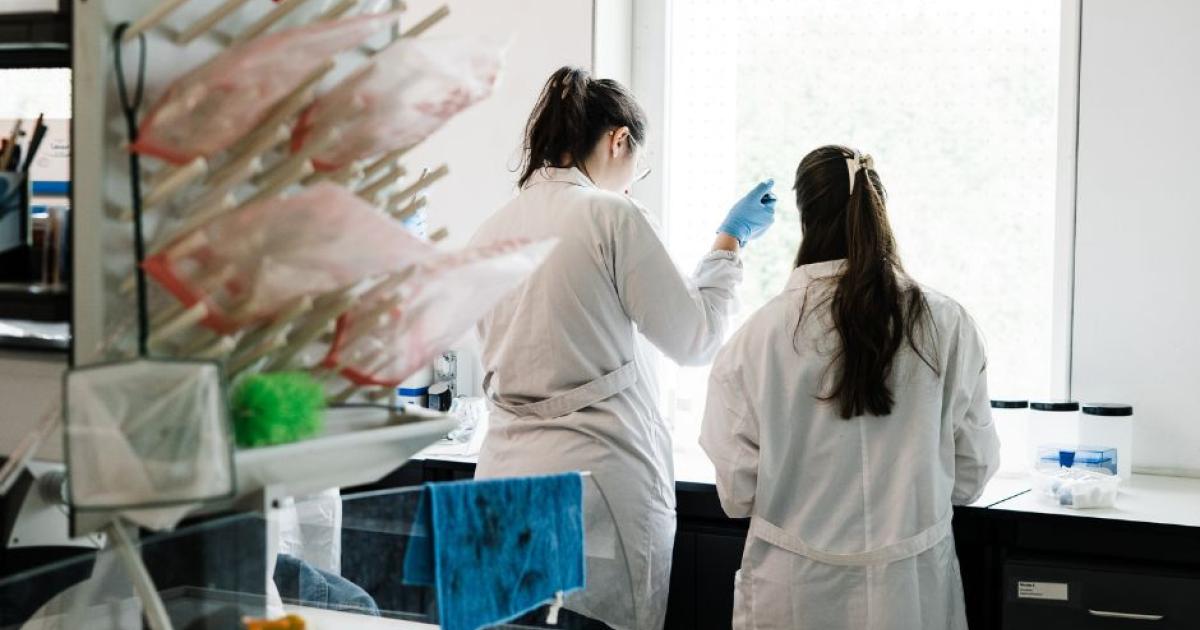
Today, Laboratório da Paisagem combines applied research, environmental monitoring, technological innovation, education and citizen engagement. Working closely with the Municipality and a wide range of partners, it helps translate scientific evidence into practical solutions and informed public decisions. By 2024, its work had already contributed to more than 30 projects involving partners from 21 European countries and Brazil.
From scientific research to urban solutions
One of the Laboratory’s key contributions is connecting environmental research with urban planning, public health and policymaking. Through the collection and analysis of environmental data, climate modelling, scenario development and the exploration of digital twin technologies, the Laboratory is helping Guimarães better understand how its territory functions, anticipate future risks and assess different pathways towards a more resilient and sustainable city.
This approach is particularly relevant in the context of climate change. Research into heatwaves, urban heat islands and the relationship between urban form, vegetation and local microclimates is contributing to a better understanding of how rising temperatures affect cities and their populations. By combining environmental monitoring, spatial analysis and climate scenarios, the Laboratory aims to support the identification of vulnerable areas and the development of adaptation measures, including green infrastructure and nature-based solutions.
These efforts are closely connected to public health, thermal comfort and quality of life. Increasing urban shade, reducing exposure to extreme heat and creating healthier public spaces are not simply environmental objectives. They also help protect residents, reduce vulnerabilities and improve everyday well-being.
The use of digital tools, environmental data and future scenarios also opens new opportunities for evidence-based governance. Rather than simply responding to existing problems, Guimarães is using scientific evidence to anticipate challenges, assess possible solutions and inform public policy decisions. In this process, Laboratório da Paisagem acts as a bridge between research, technical expertise and public policy, helping decision-makers navigate increasingly complex environmental and territorial challenges.
Engaging communities in the green transition
At the same time, the Laboratory has maintained a strong commitment to environmental education and community participation. One of the clearest examples is PEGADAS, Guimarães’ environmental education programme. Coordinated by Laboratório da Paisagem, it brings sustainability into schools through hundreds of activities every year, reaching more than 20,000 students annually. The programme reflects a fundamental principle of Guimarães’ approach: lasting environmental transformation requires not only infrastructure, technology and policy, but also informed, engaged and empowered communities.
This connection between science, governance and citizens has been central to Guimarães’ journey towards the European Green Capital title. Laboratório da Paisagem contributed to the collection and interpretation of environmental evidence, the development of projects and partnerships, and the preparation of the city’s European Green Capital applications in 2017, 2023 and 2024. The achievement of the 2026 title is therefore not the result of a single project or institution, but of a long-term collective effort involving the Municipality, universities, businesses, schools, citizens and many other local partners.
Building on Guimarães’ European Green Capital legacy
As Guimarães celebrates its year as European Green Capital, this collaborative model is entering a new phase. The ambition is not simply to showcase past achievements, but to accelerate the transition, strengthen scientific and institutional cooperation and develop new solutions to emerging environmental and societal challenges.
Laboratório da Paisagem is contributing to this next phase through initiatives such as the Green Academy, presented in September 2026, which expands its role in supporting businesses and professionals in the transition towards a more sustainable economy. In parallel, its work on climate adaptation, biodiversity and green infrastructure is helping connect urban regeneration with measurable environmental and social benefits, including improved microclimates, greater climate resilience and healthier urban environments.
Sharing knowledge beyond Guimarães
What was initially created to respond to Guimarães’ environmental challenges has progressively become a platform for collaboration, experimentation and knowledge transfer. The Laboratory is increasingly sharing methodologies, tools and approaches with other cities and institutions, both in Portugal and internationally. From environmental education and citizen engagement to climate adaptation, biodiversity monitoring and science-based decision support, its experience demonstrates how locally developed knowledge can contribute to wider European sustainability objectives.
The European Green Capital year provides an important opportunity to strengthen this international dimension. Through scientific cooperation, technical visits, European projects and institutional partnerships, Guimarães is sharing its experience while continuing to learn from other territories. Laboratório da Paisagem plays a central role in this exchange, connecting local challenges with international knowledge and helping transform collaborative research into practical urban solutions.
Looking beyond 2026, the ambition is clear: to consolidate Guimarães as a living laboratory for urban sustainability, where science, technology, public policy and community participation work together to address present challenges and anticipate those of the future.
For Laboratório da Paisagem, this means continuing to produce relevant research, support decisions that improve people’s lives and develop solutions that can be tested, evaluated and shared with other cities.
Ultimately, Guimarães’ experience demonstrates that a successful green transition is not only about transforming urban spaces. It is about transforming the way cities understand their challenges, make decisions and build a healthier, more resilient and sustainable future for everyone.