

Main findings of the October global overview
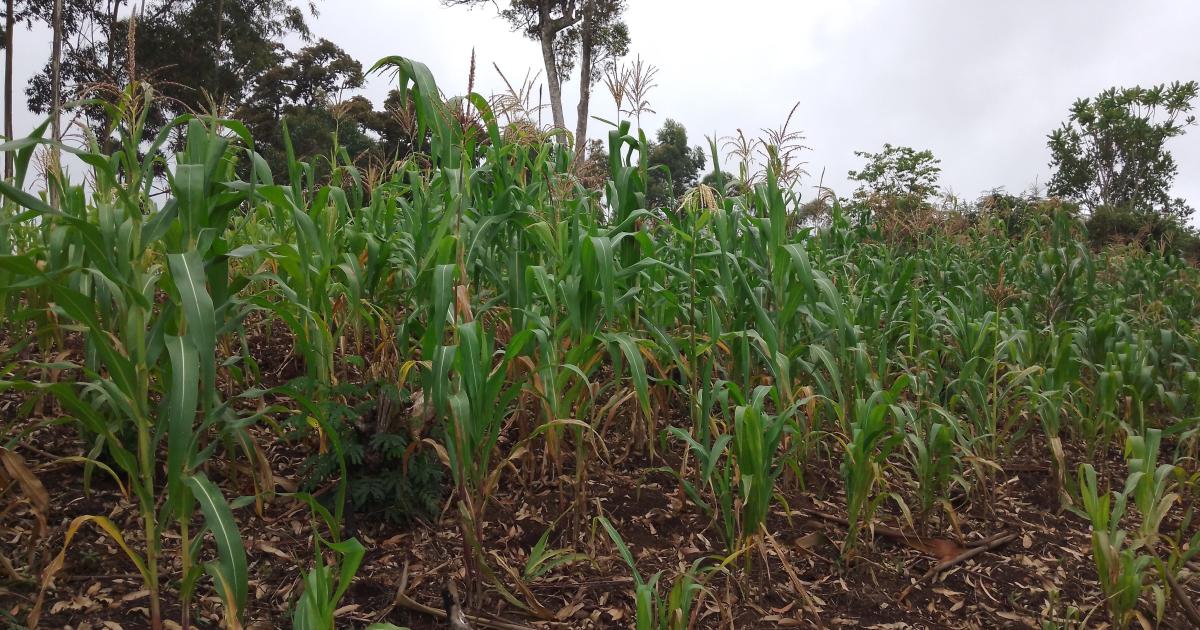
- Land preparation and summer cereal planting have commenced in Southern Africa under mixed weather conditions, with some areas experiencing below-average early-season rainfall. A slight seasonal delay is visible in parts of Angola and Zambia. Climate forecasts, driven by a strong El Niño and positive Indian Ocean Dipole, predict drier-than-average conditions and high temperatures across central and southern SADC areas through March 2027 (SARCOF-33 Statement, Copernicus C3S Multimodel seasonal rainfall forecast). Because the primary staple, maize, is highly vulnerable to drought, this outlook threatens the 2026/27 agricultural season, necessitating close monitoring of crop and pasture biomass.
- Main-season crop harvesting is wrapping up across East Africa, but below-average rainfall and high temperatures have severely reduced production, worsening food insecurity in conflict-torn zones like Somalia, Sudan, and South Sudan. Ethiopia faces similar strains due to renewed violence, while rising global grain prices further threaten imports. Although ICPAC’s October–December 2026 forecast points to above-average rainfall that could replenish pastures and support new crops in bimodal areas, the anticipated rains also bring risks of crop-damaging floods. Immediate, scaled-up humanitarian aid and sustained access remain critical to preventing widespread famine.
- In West Africa and Central Africa, the main agricultural season is concluding with a strong regional production outlook, with total cereal yields between 62.8 and 71.1 million tonnes, well above the five-year average (CILSS PREGEC). However, localized rainfall deficits linked to El Niño have triggered production shortfalls and below-average rangeland conditions across Mali, Chad, central Burkina Faso, northern Benin, and Nigeria’s Middle Belt. Meanwhile, second-season maize is growing under mixed rainfall in southern bimodal zones. While overall crop conditions remain favourable, localized areas in southern Ghana and southern Togo are experiencing poor biomass conditions.
- Winter cereal sowing is underway across the Middle East and North Africa with mixed agricultural prospects. Favourable rainfall supports sowing of barley and wheat in Iran, Iraq, and Syria. Conversely, North Africa faces drier-than-average conditions in central Algeria and Tunisia, though Morocco expects near-average rainfall for November planting. In Yemen, Kharif cereals and summer wheat show good prospects despite delayed planting on the Eastern Plateau. However, conflict and poor socioeconomic conditions leave 18 million Yemenis facing severe food insecurity.
- In Central Asia, the harvest of spring cereals and summer crops has finalized with good prospects, and winter cereal sowings are underway under mixed conditions. While Turkmenistan, Uzbekistan, and Tajikistan started under normal conditions, Kyrgyzstan and southern Kazakhstan experienced drier weather. However, El Niño-driven rainfall is expected to boost future growth. Conversely, in South Asia, Pakistan’s Kharif rice and maize harvests show favourable prospects despite southern dryness, and Rabi sowings have begun. Bangladesh also reports highly favourable rice outlooks and North Korea has finalized maize and rice harvests with good prospects.
- In Latin America and the Caribbean islands, El Nino–induced drought and record precipitation deficits have devastated agriculture. Many Central American subsistence farmers lost over 75% of their primera maize and bean harvests, and dry conditions also threaten the onset of postrera season. In South America, Peru and Bolivia declared national emergencies due to severe drought, while coastal areas faced heavy floods. The Caribbean also struggled with lower-than-average rainfall, but the agricultural sector remains most constrained by underlying socio-economic pressures. Alongside El Niño, persistent supply pressures and commodity trends drove local food prices up.
The next assessment is scheduled for the end of November 2026.