

Main findings of the September global overview
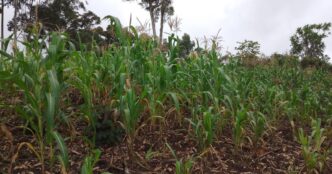
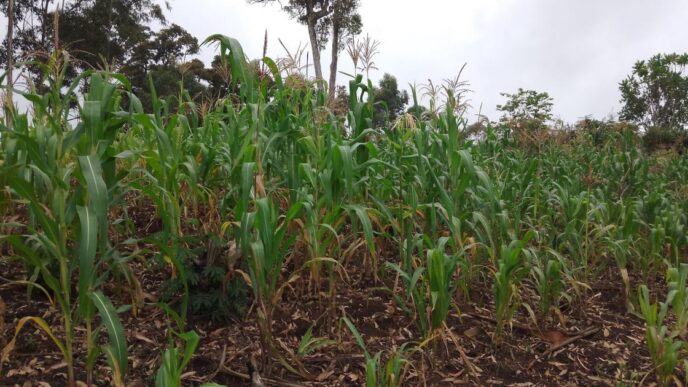
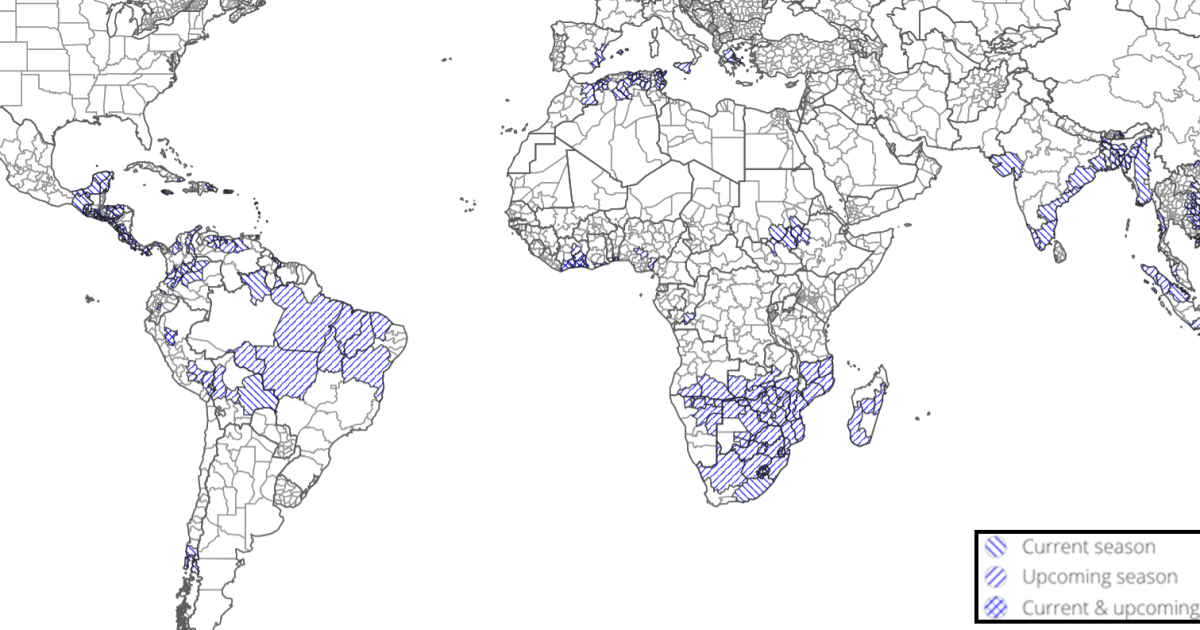
- Southern Africa concludes a strong 2026 summer season with cereal production reaching 43.4 million tonnes, nearly 10% above the five-year average. Moreover, winter wheat prospects remain favourable in South Africa and Zimbabwe. However, these favourable outcomes face a severe threat as the region prepares for the 2026/2027 summer planting season. An exceptionally strong El Niño is projected to trigger historic rainfall deficits through December 2026, surpassing levels seen since 1950 (OCHA). With forecast models warning of severe dryness, continuous monitoring is critical (JRC ASAP forecast warnings for crops and JRC ASAP forecast warnings for rangelands).
- Between June and September 2026, El Niño-induced drought and high temperatures degraded crop and pasture yields across East Africa. On the contrary, forecasts for the upcoming October to December period indicate a high likelihood of above-average rainfall and potential flooding in the Horn of Africa. In war-torn nations like Sudan and South Sudan, climate shocks exacerbate violence and displacement, driving millions toward famine. According to the latest IPC update, 14 Sudanese areas face an imminent risk of famine under worst-case scenarios, necessitating urgent humanitarian intervention to prevent total regional collapse.
- In West Africa and Central Africa, the 2026 cereal season had a mixed performance so far; main-season harvests along the Gulf of Guinea are average to above-average, but localized Sahelian rainfall deficits have severely reduced crop water availabiltiy and biomass. Overall 2026 regional cereal production remains highly favourable, with CILSS PREGEC estimating a strong total between 62.8 and 71.1 million tonnes. However, critical pockets of vulnerability persist. Crop and rangeland conditions remain severely degraded across Nigeria’s Middle Belt, northern Benin, and extensive parts of Mali, Burkina Faso, and Chad, threatening local food security despite aggregate regional gains.
- According to the Copernicus C3S Multimodel seasonal rainfall forecast, winter cereal sowings are underway in the Middle East (Iran) or starting soon in other parts of the Middle East (Iraq, Syria) and North Africa under favourable or near-average rainfall conditions. Rice production prospects remain positive in both Iraq and Iran. In Yemen, recent rainfall is improving delayed sorghum and millet crops in coastal areas, while highland biomass is average to above-average despite some localized dryness. However, ongoing conflict and poor socio-economic conditions leave 17 million Yemenis facing acute food insecurity.
- Across Central Asia, spring and summer crop harvests are concluding with generally favourable prospects thanks to above-average crop biomass, despite localized dryness in central Kazakhstan. In South Asia, crop prospects remain positive in Pakistan for kharif rice and maize harvests despite low rainfall in southern Pakistan, while Bangladesh anticipates a highly favourable Aman rice harvest. The Copernicus C3S Multimodel seasonal rainfall forecast indicates wetter-than-average conditions for the upcoming winter cereal sowings. In North Korea prospects are favourable for both maize and rice, and Sri Lanka’s second-season harvest has successfully finished.
- Agricultural prospects vary widely across Latin America and the Caribbean islands due to compounding climate and economic pressures. An El Niño-induced drought and record temperatures have degraded Central American crop yields and threaten the second planting cycle, driving a projected 83.1% spike in acute food insecurity. Conversely, South American countries expect positive harvests despite coastal flood alerts. Political instability in the Caribbean and surging input costs driven by global fuel volatility further exacerbate regional strains, pushing 12.2 million people into acute food insecurity.
The next assessment is scheduled for the end of October 2026.