

The European Commission published a draft list of non-OECD countries today (18 Sep) that could be authorised to import non-hazardous waste from the EU after May 2027 under the Waste Shipment Regulation.
The Regulation, adopted in 2024, introduces stricter rules on waste exports, designed to ensure that the EU does not export its waste challenges to non-EU countries. In particular, it significantly tightens rules on waste exports to non-OECD countries. As a general principle, the EU will no longer export waste to non-OECD countries from 21 May 2027.
As an exception, exports may be authorised to non-OECD countries that explicitly request to continue receiving waste from the EU and demonstrate that they can manage it in a sustainable manner. 32 countries submitted such requests to the Commission. The Commission has assessed these requests, including the countries’ capacity to manage waste sustainably. The result of this assessment is summarised in a report published with the draft list of countries on which the Commission is now seeking feedback.
Stakeholders are encouraged to take part in the online consultation on this draft List, which is open until 16 October.
The first list of countries authorised to receive waste from the EU will be established by the end of 2026. This list will be updated regularly and at least every two years, with the possibility for countries which are not on the list to (re)apply.
Assessment of plastic waste exports from EU to Türkiye
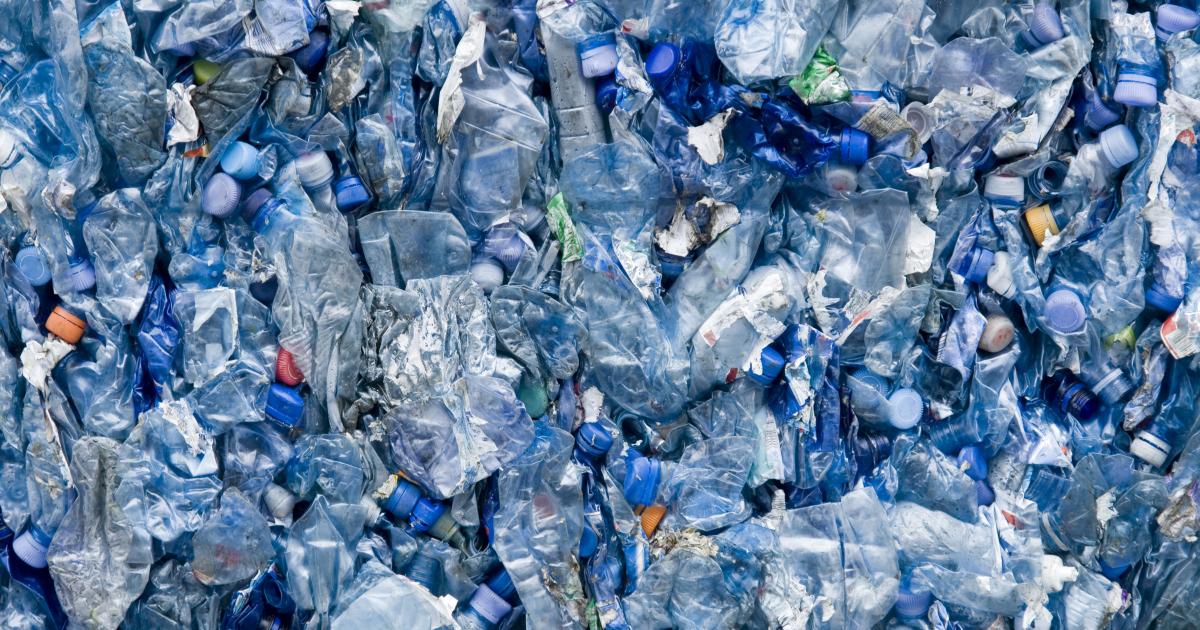
The Commission also published its assessment report on the sustainable management of plastic waste exported from the EU to Türkiye. The report is published under the EU’s new Waste Shipment Regulation, which introduces stricter rules for exports of plastic waste to countries outside the EU.
Under the Regulation, exports of plastic waste from the EU to non-OECD countries will be banned from 21 November 2026.
The Commission must monitor exports of plastic waste to OECD countries and assess whether importing countries can manage that waste in an environmentally sound manner.
The assessment has focused on the exports of plastic waste from the EU to Türkiye, considering that Türkiye is the main OECD destination for plastic waste exported from the EU. In 2025, exports from the EU to Türkiye reached 510,000 tonnes, out of a total of 1.4 million tonnes of plastic waste exported by the EU that year.
The report provides an overview of plastic waste management in Türkiye, including data on waste generated and imported, on management and shipment of waste legislation, as well as on its enforcement. It also reflects concerns raised by a range of stakeholders regarding challenges linked to plastic waste management in the country.
The assessment acknowledges that Türkiye has strengthened its legislation on plastic waste management and imports and has taken steps to improve enforcement, including through increased controls and higher fines.
At the same time, the report identifies several areas where further information and progress are needed. These include:
- Lack of transparency on data on plastic waste generation and treatment, including on the impact of imported waste on the management of domestic waste
- Insufficient information on how legislation is being implemented to prevent environmental harm linked to imported plastic waste; and
- Unclear governance arrangements for plastic waste management
The Commission looks forward to engaging with Türkiye’s competent authorities on the report’s findings. It will continue monitoring EU plastic waste exports to Türkiye and remains committed to strengthening bilateral cooperation with Türkiye on waste management.
Background
The EU exported 32 million tonnes of waste in 2025 – around 40% of these exports are destined for non-OECD countries.
The waste exported from the EU is often managed in conditions which are much less environmentally sound than in the EU. This can be particularly problematic in developing and emerging countries, which already face challenges dealing with their domestic waste and are expected to experience the highest growth in waste generation in the future.
In some cases, waste imports from developed countries undermine progress toward better domestically generated waste management.
The EU generates around 40 million tonnes of plastic waste every year and exports between 1 and 1.5 million tonnes annually.
In 2025, around half of EU plastic waste exports went to OECD countries and half to non-OECD countries. Besides Türkiye, the main destination countries in 2025 were Malaysia (276,000 tonnes), Indonesia (215,000 tonnes), Vietnam (137,000 tonnes) and the United Kingdom (108,000 tonnes).
The new EU Waste Shipment Regulation entered into force on 20 May 2024 to ensure the EU takes greater responsibility for its waste.
More information
Assessment of the sustainability of plastic waste exports to OECD countries | European Commission