


The EU Anti-trafficking Hub has recently published a Study on the collection of EU statistics on trafficking in…
EU statistics
11 posts
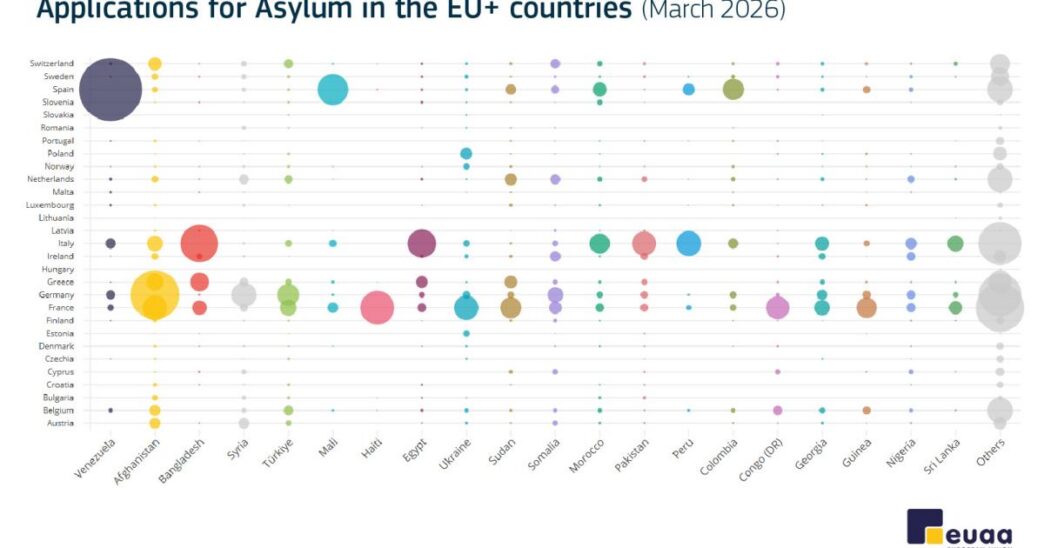
The European Union Agency for Asylum (EUAA) has published its latest analysis of asylum applications and decisions in…
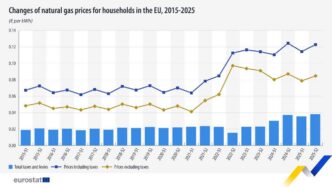
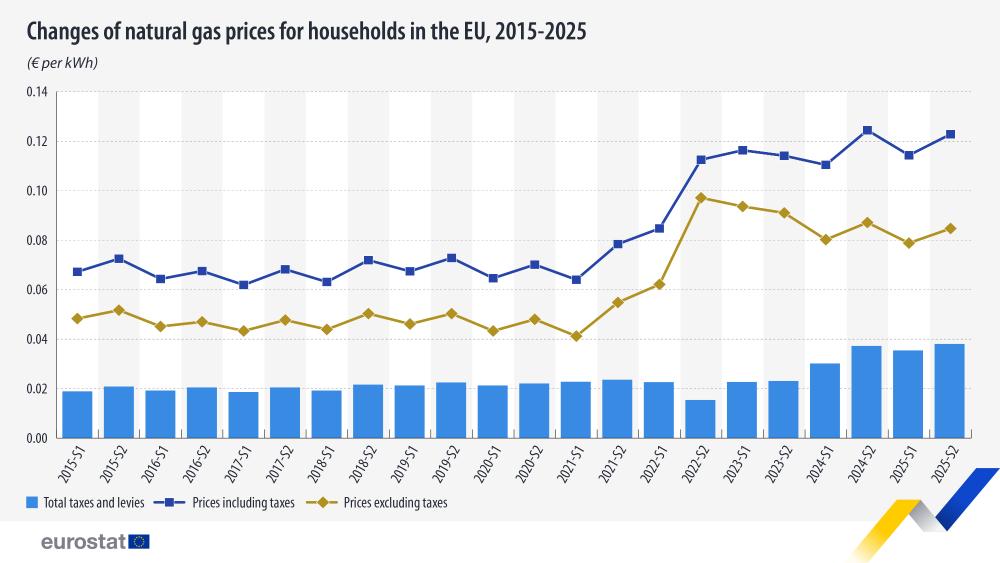
In the second half of 2025, household gas prices in the EU continued to show the seasonal fluctuation…


New Eurostat data reveals key economic & social trends across the EU! Discover the latest insights on growth, employment, and sustainability for October 2025. Stay informed with the freshest statistics shaping Europe’s future.
La Cimade published an overview of reception and accommodation facilities for asylum seekers and refugees in France in 2025.


In the second quarter of 2025, 54.0% of net electricity generated in the EU came from renewable energy sources, an increase from the 52.7% registered in the same quarter of 2024.
France’s Ministry of the Interior published national immigration statistics for 2024. Several figures are given relating to residence permits: since 2023, the number of first residence permits and the number of renewals issued increased by 1.8% and 2.4% respectively.


The new interactive JAF indicators tool offers to the public up-to-date access to the extensive set of indicators used for the Joint Assessment Framework (JAF) – an analytical tool to underpin evidence-based policy making – through an interactive, customisable, and detailed interface.


EU gas and electricity markets from January to March 2025 proved their continued resilience as they ensured stable and secure energy supplies with important milestones on both markets.


In 2024, according to preliminary data, the supply of renewable energy in the EU increased by 3.4% compared with 2023, amounting to around 11.3 million terajoules (TJ) in 2024.