

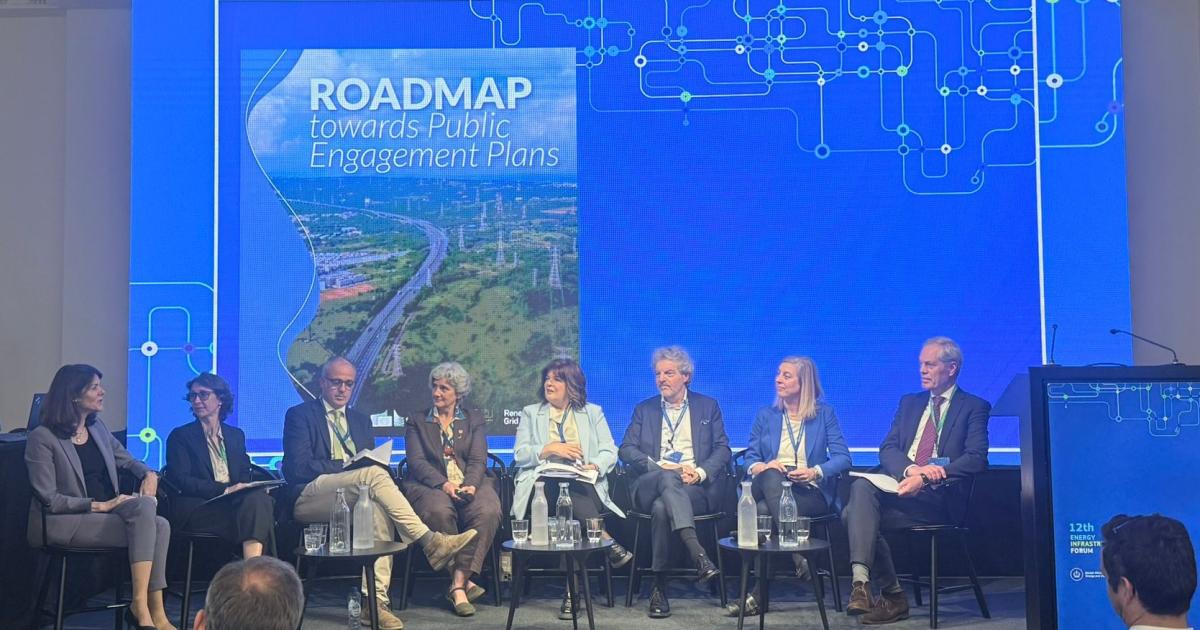
Policymakers, industry representatives and stakeholders met in Copenhagen on 21-22 May for the 12th Energy Infrastructure Forum, opened by Commissioner for Energy and Housing Dan Jørgensen and Danish Deputy Permanent Secretary Christian Stenberg. Participants shared a near unanimous message that the ongoing conflicts in the Middle East and Ukraine highlight that energy infrastructure is more important than ever. In the course of 2 days of discussion, successive speakers made it clear that energy networks form the backbone of the EU energy transition and that the challenges ahead are not just about building infrastructure, but also about shaping a resilient and competitive Europe in an increasingly unstable geopolitical landscape.
Participants stressed that Europe’s energy transition is no longer just an environmental necessity, but an economic imperative. The current geopolitical situation has demonstrated the risks of energy dependency, while global competitors are rapidly advancing in clean technology.
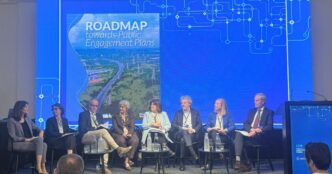
One key topic was electricity infrastructure, where the exchanges highlighted the need for advancing in modernisation and expansion, but also in efficient use of existing grids and smarter solutions. Digital solutions and grid-enhancing technologies can help ease congestion and make grid expansion more cost-effective. At the same time, planning must be forward-looking to ensure that networks are ready for future energy demands, supporting Europe’s competitiveness. Financing remains a key challenge, requiring a mix of innovative financial instruments, targeted public support, where necessary, and greater private investment. There was also broad agreement that costs and benefits must be distributed fairly across countries. Additionally, transparency for investment is essential, with tools like the newly launched “Capacitypedia” or Distribution Network Development Plans (DNDP) platform providing greater visibility on where and when grid capacity is available. Public acceptance was another critical factor, with the launch of the Roadmap towards Public Engagement Plans incentivising system operators for early stakeholder involvement in network planning and development.
A further theme was hydrogen infrastructure, where the focus was on moving from policy to practical implementation. Many EU countries are still in the process of applying existing hydrogen legislation and timely transposition remains a priority. Greater transparency and alignment between supply, demand and infrastructure development will help reduce investment risks across the hydrogen value chain. The EU’s Hydrogen Mechanism was identified as a key tool to foster a competitive and transparent hydrogen market by improving coordination between producers, consumers and infrastructure operators. Further discussions will explore ways to reduce risks for hydrogen transmission projects, looking at solutions at the project, national, corridor and EU levels.
The Forum concluded with a strong emphasis on the need for rapid implementation. While many of the necessary solutions are already known, the challenge now is to put them into practice. Success will depend on close collaboration between EU countries, regulatory authorities, system operators, industry, financial institutions and civil society.
Organised by the European Commission in cooperation with the Danish Ministry of Climate, Energy and Utilities, the Energy Infrastructure Forum is a key annual event for EU institutions and stakeholders to exchange on the development of the European energy market, with a strong focus on infrastructure and the Projects of Common Interest (PCIs) that underpin it.