

Drug trafficking is a global criminal business that is undermining health and security in Europe. The European Commission has responded to this challenge with a new drugs strategy and action plan to stop the traffic of narcotics into the EU.
organised crime
7 posts


New EU Drugs Strategy and an Action Plan against drug trafficking set out a comprehensive EU response to the security, health, social and environmental challenges linked to the trafficking and use of illicit drugs.


As the world marks the International Day against Transnational Organised Crime on 15 November, the European Union reaffirms its commitment to tackling criminal networks that operate across borders.


A major law enforcement operation under the Airport Communication Project (AIRCOP) has struck a blow against synthetic drug trafficking in West Africa.


The agreement enables Europol and Ecuador to enhance the exchange of information, including personal data. The agreement guarantees a high level of protection of fundamental rights, including through strong data protection safeguards.


The EU-funded project ISF LUMEN strengthens international cooperation between police across Europe to combat organised crime. Thanks to the project, in 2024, German police, along with European partners, prevented almost 400 crimes and EUR 4.85 million in losses related to fraudulent calls.

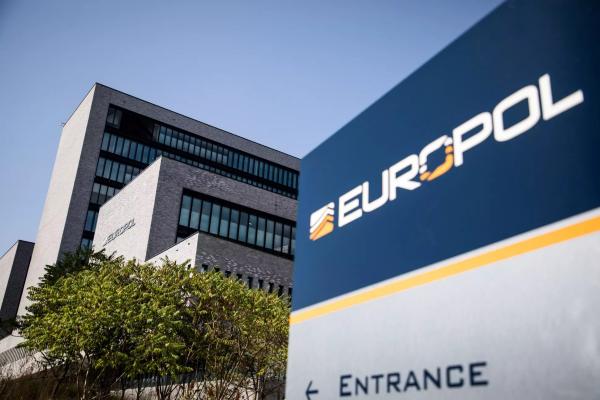
Europol has launched a taskforce to tackle the rising trend of organised crime networks hiring youngsters to carry out threats, assaults, or killings for a fee. The taskforce brings together police from 8 European countries with Europol providing operational support and coordination.