

The Commission is reviewing the current mandate of Europol. The public consultation aims to gather insights from public authorities as well as private stakeholders, such as members of the public, academia, NGOs, and private companies. The call is open for feedback until 15 January 2026.
Europol
7 posts


Commissioner Magnus Brunner signed a new Joint Action Plan on Preventing and Countering Terrorism and Violent Extremism between the EU and its Western Balkan partners, in the margins of the EU-Western Balkans Ministerial Forum on Justice and Home Affairs in Sarajevo, Bosnia and Herzegovina.


The Commission welcomes the provisional political agreement reached between the European Parliament and the Council on 25 September, to strengthen Europol’s role against migrant smuggling and trafficking in human beings, based on a regulation proposed by the Commission in November 2023.


The agreement enables Europol and Ecuador to enhance the exchange of information, including personal data. The agreement guarantees a high level of protection of fundamental rights, including through strong data protection safeguards.


The 2025 IOCTA report shows that organised crime has continued to evolve at an unprecedented pace in the past year. The rapid adoption of new technologies and the continued expansion of digital infrastructure has further shifted criminal activities to the online domain.


Europol’s cybercrime unit has worked with Microsoft to disrupt Lumma Stealer, the world’s greatest infostealer threat. Earlier this year over 394 000 Windows computers were infected by the Lumma malware, which harvested credentials, financial data, and personal information from its victims.

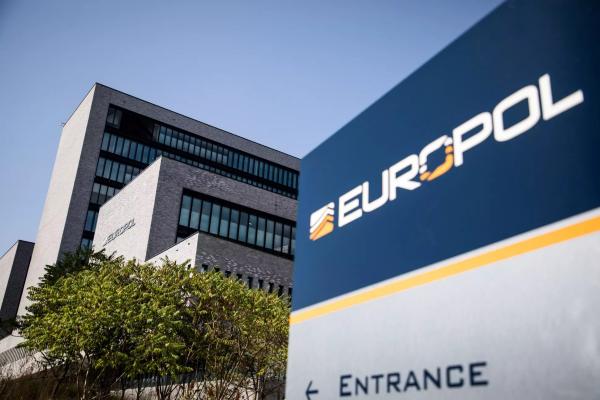
Europol has launched a taskforce to tackle the rising trend of organised crime networks hiring youngsters to carry out threats, assaults, or killings for a fee. The taskforce brings together police from 8 European countries with Europol providing operational support and coordination.