



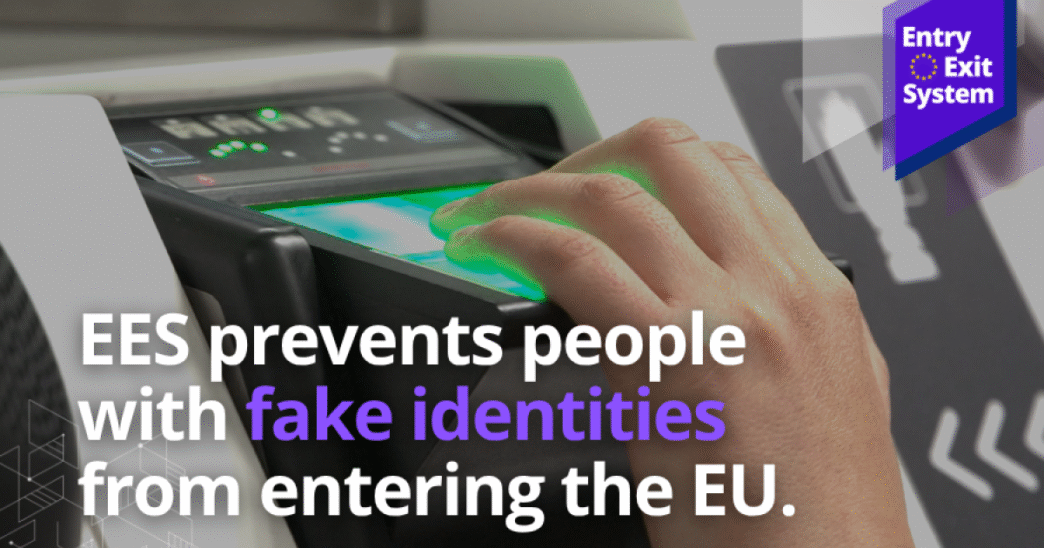
The Entry/Exit System (EES) has been fully operational at all external Schengen border crossing points since 10 April…
external border of the EU
12 posts


The Entry/Exit System (EES) has been fully operational at all external Schengen border crossing points since 10 April…


The launch of the Entry/Exit System (EES) on 12 October 2025, marked a significant milestone in EU’s effort to modernise and streamline external border management and enhance security.


Over the past 40 years, Schengen has enhanced freedom, fortified security, and opened up economic opportunities, making it a cornerstone of European identity and a strategic asset for Europe and beyond. Discover how EU countries and institutions commemorated this extraordinary European achievement.


Learn about the EU’s digital border system for non-EU nationals, how it will work, and how it makes EU border control more secure, efficient and faster

European countries started electronically registering the data of non-EU nationals crossing their external borders for short stays (90 days in any 180-day period). They will do so progressively, for a period of six months. As of 10 April 2026, the EES will be fully operational.


The Entry/Exit System (EES) is set to enter into operation on 12 October 2025, modernising the border check procedures for non-EU nationals travelling for short stays to Europe. The information campaign will run in parallel with the launch of the EES and continue for about a year.


Frontex has become a key actor in European integrated border management, playing a crucial role in the management of the EU external borders, returns and the security of the Schengen Area. In 2025, it celebrates its 20th anniversary, a period marked by significant milestones and achievements.

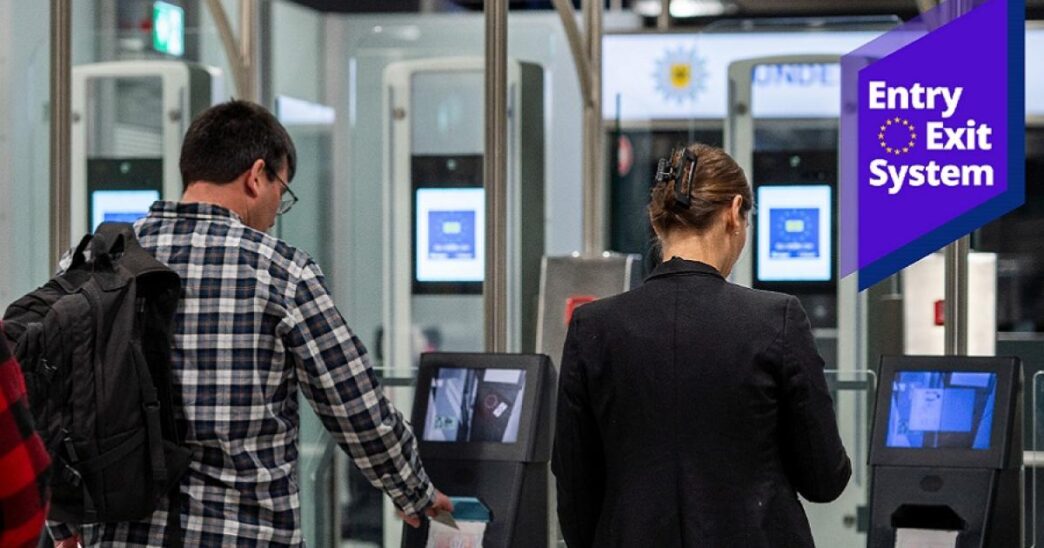
The agreement will allow Member States to gradually benefit from the many advantages and capabilities of the system, while giving border authorities, the transport industry and travellers more time to adjust to the new procedures.
The European Commission welcomes yesterday’s provisional political agreement by the European Parliament and the Council on the Commission’s proposal for a progressive rollout of Europe’s new digital border system, the Entry/Exit System (EES).