

For 25 years, European countries have been joining forces to save lives when disasters strike under the EU civil protection mechanism. This is one of the best examples of European solidarity in action.
Ursula von der Leyen, President of the European Commission, said:
‘Our EU Civil Protection Mechanism turns 25!
25 years of solidarity in action – fighting floods and wildfires to delivering vital medical supplies.
More than 900 times worldwide, Europe has answered the call for help.
We are strengthening our preparedness so Europe is ready to act whenever disaster strikes.’
Created in 2001, the mechanism brings together the 27 EU Member States and 10 participating states: Albania, Bosnia and Herzegovina, Iceland, Moldova, Montenegro, North Macedonia, Norway, Serbia, Türkiye, and Ukraine. It allows any country in the world facing a crisis to call on assistance from across Europe.
Since its creation, it has been activated more than 900 times by 160 countries and 8 international organisations, coordinating assistance in response to wildfires, floods, earthquakes, health emergencies and other disasters across Europe and around the world.
From firefighters battling wildfires and rescue teams responding to floods, to medical supplies delivered during the COVID-19 pandemic, citizens repatriated from crisis areas, generators sent to Ukraine, and search dogs looking for survivors after earthquakes, the Mechanism has turned European solidarity into concrete actions and assistance for people facing different crisis.
Europe strengthens its capacity to respond to future disasters
Today, this European solidarity is more important than ever. Climate change is fuelling more frequent and intense natural disasters. The EU is investing in stronger common resources.
In her 2026 State of the Union address, President Ursula von der Leyen announced that some of Europe’s most experienced firefighters and emergency responders would develop proposals to strengthen disaster preparedness and prevention, improve civil-military cooperation and identify new response capabilities, including a future European firefighting fleet.
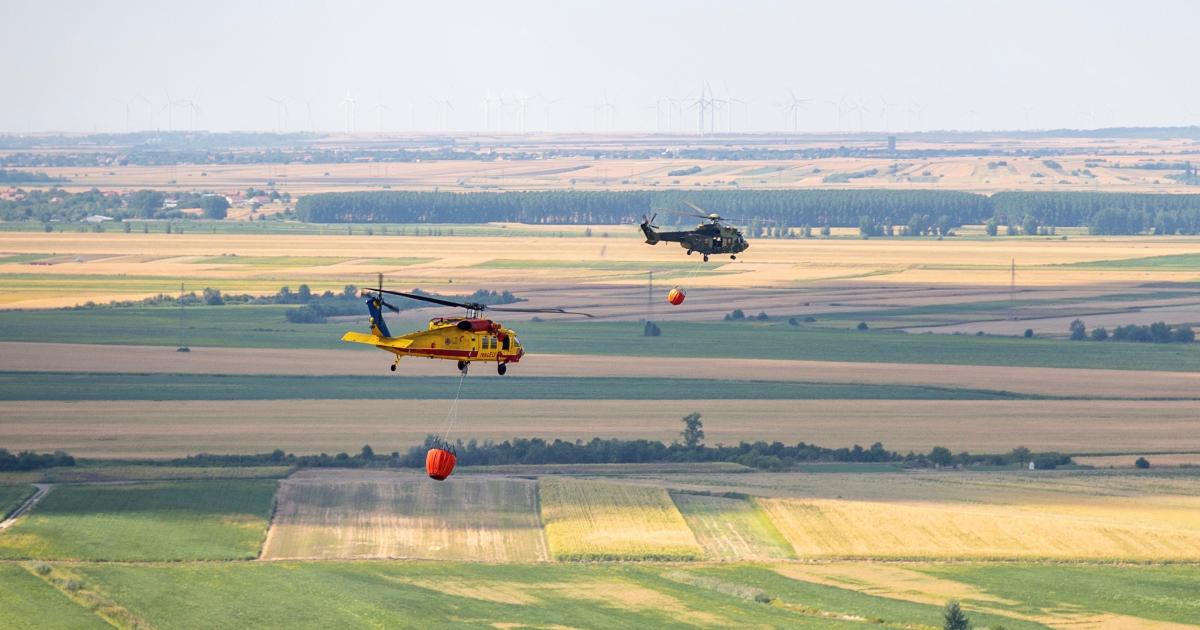
The EU is already investing in a permanent firefighting fleet of 22 airplanes and 5 helicopters under rescEU, its strategic reserve of emergency response capacities. These resources will complement the pool of national emergency services and can be mobilised when countries need additional support.
The importance of this cooperation was demonstrated again in 2026. The EU Civil Protection Mechanism was activated 12 times just over the summer to respond to wildfires, supporting the deployment of 24 firefighting planes, 17 helicopters and 835 firefighters.
Beyond firefighting, the EU is strengthening its preparedness through early warning systems, scientific cooperation and strategic reserves of medical supplies, power generators and other essential equipment.
25 years of European solidarity
When an emergency hits, any country in the world can request assistance via the EU civil protection mechanism. An activation of the Mechanism triggers the Emergency Response Coordination Centre to mobilise assistance or expertise from European countries. Operating 24/7, the Centre ensures rapid deployment of emergency support and acts as a coordination hub between all EU Member States, the 10 additional participating states, the affected country, and civil protection and humanitarian aid experts.
The Mechanism also helps countries prepare for disasters before they strike. Through joint training and large-scale exercises simulating real emergencies, rescue teams from across Europe learn to work side by side before they are called into action. The EU Civil Protection Knowledge Network also brings together emergency responders, scientists and experts to share experience, improve practices and develop new solutions.
In 2014, the EU set up the European civil protection pool, the first EU response teams, pre-committed by Member States on a voluntary basis and quality-assured. The mechanism was further upgraded in 2019, with the establishment of rescEU – the EU’s strategic reserve. By pooling resources and coordinating stockpiling efforts, Europe strengthens its collective capacities and reinforces its civil protection both in preparedness and response.
Commissioner for Preparedness and Crisis Management, Hadja Lahbib, said:
‘A quarter century of solidarity. For 25 years, Europe has stood together when disaster strikes. Firefighting planes battling wildfires. Protective equipment for doctors and nurses during the pandemic. Generators keeping the lights on in Ukraine. EU citizens repatriated from the Middle East. Rescue teams saving lives in Venezuela. This is European solidarity in action. And the EU civil protection mechanism makes it possible. Now we are preparing for the next 25 years, investing in new firefighting aircraft, stronger preparedness, and scientific partnerships to spot and anticipate risks. When disaster strikes, every minute counts. Europe is ready.’
For more information:
EU civil protection mechanism: a quarter century of solidarity