

Meet the hero
|
Ana Almeida |
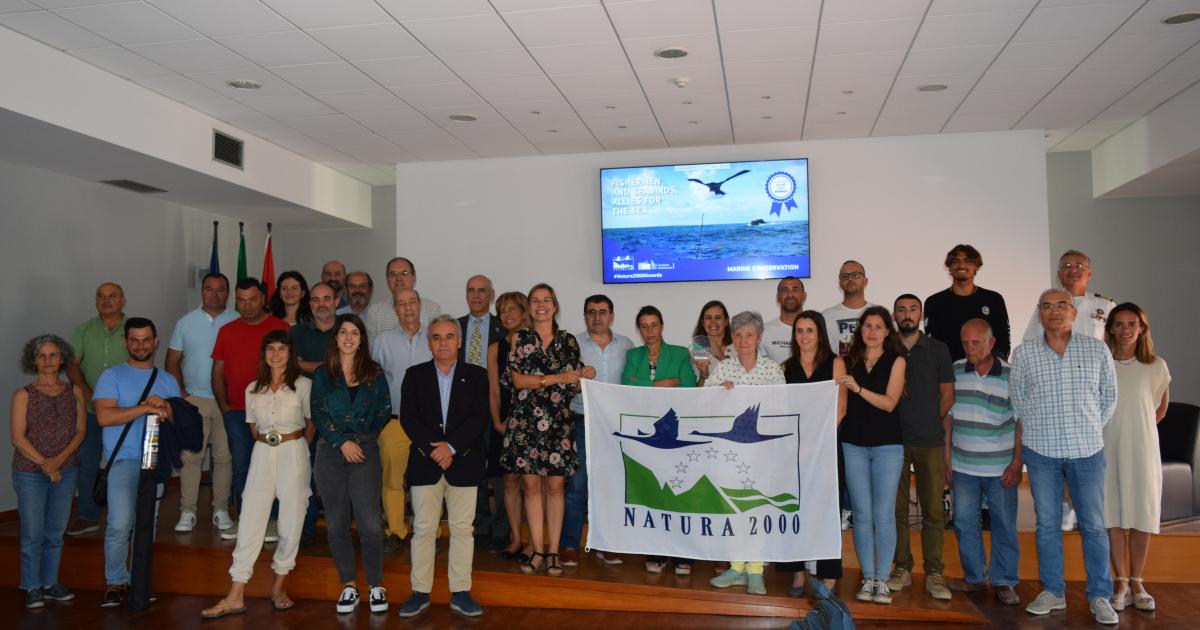
Fishing communities must be supported and empowered to make sure seabirds and other marine life are not harmed by baited hooks, underwater nets or other gear. A Portuguese NGO sought to leverage its work tackling seabird bycatch by applying for the Natura 2000 Award.
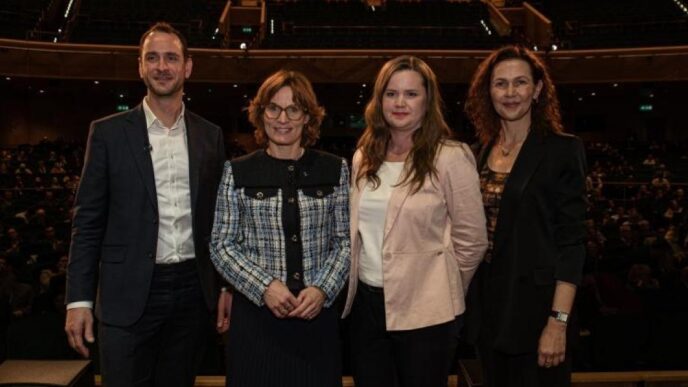
Four years after winning the European Natura 2000 Award, Ana Almeida looks back on the experience and its lasting impact. How did it feel to win the Award, and how has the opportunity helped to foster lasting momentum for conservation action? For Ana and her team, success in the Award meant a wider audience and a more collaborative future. Read her testimonial!
The road to the European Natura 2000 Award
‘We just wanted to share our work and raise awareness of collaboration between conservation organisations and fishing communities. We weren’t really expecting to win.’
We won the Natura 2000 Award with the MedAves Pesca Project – Fishers and Seabirds, Allies for the Sea. Today, we proudly display the Natura 2000 Award logo on our website as a symbol of excellence, credibility and our commitment to protecting marine biodiversity together with local communities.
The legacy beyond the Award
The Award has given me and my colleagues visibility and legitimacy as a conservation partner at national and European level. For instance, it has helped us strengthen existing partnerships with authorities in the fisheries sector, most notably Portugal’s Directorate-General for Natural Resources, Safety and Maritime Services.
Since receiving the Award, we have been invited to contribute to Portugal’s efforts to reduce bycatch of seabirds, cetaceans and sea turtles and other vulnerable species. These contributions include serving as an external expert in a working group developing a National Plan of Action to address bycatch. This Plan – which is expected to be adopted soon – will provide a coordinated framework for identifying and implementing the measures needed to effectively reduce seabird bycatch in Portugal.
More broadly, the visibility around the Award has generated new opportunities for partnerships across different conservation sectors and areas. This increased trust and collaboration has created new opportunities to work together, including joint project proposals and other initiatives to address bycatch.