

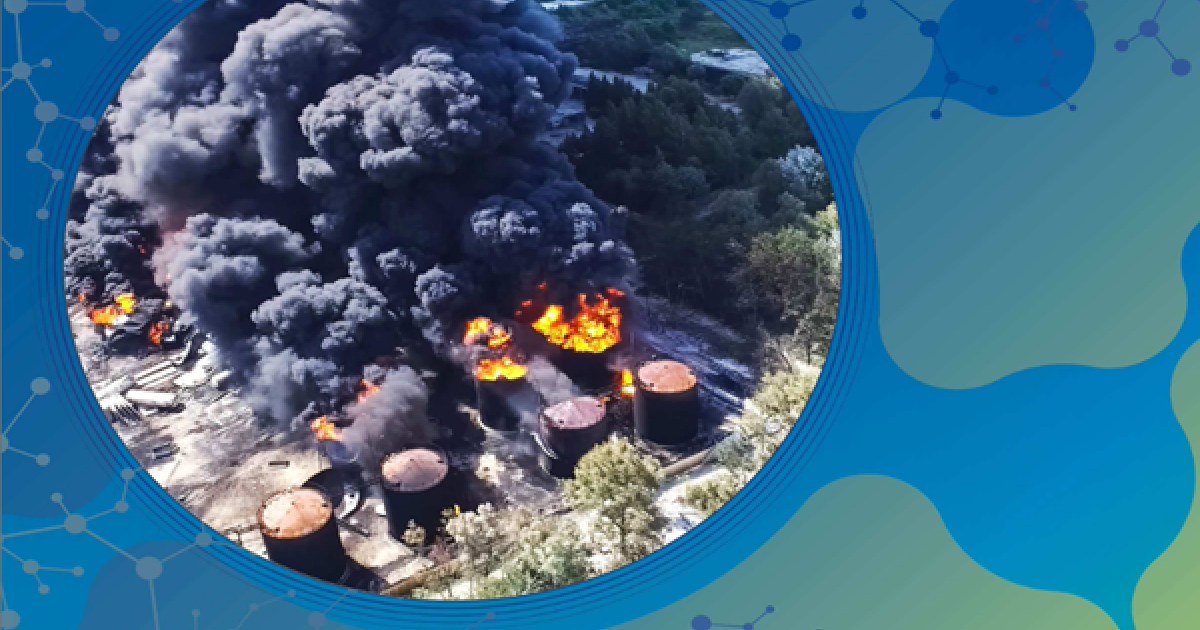
The European Commission’s Joint Research Centre (JRC), with the support of DG HOME, has published a new report on Strengthening the European Union’s Future Disaster Resilience. Looking ahead to 2040, the study explores how the EU can better prepare for future disasters in an increasingly complex and interconnected risk landscape. It highlights how climate-related hazards, evolving security threats, and structural weaknesses can combine in ways that exceed the limits of current preparedness systems.
Using a strategic foresight approach, the report identifies the capabilities and emerging technologies that will be most important for strengthening disaster and infrastructure resilience across Europe.
The analysis highlights 12 priority capabilities – including early warning and detection, cyber resilience, cross-border cooperation, essential services continuity and citizen empowerment – as well as 12 promising emerging technologies, such as advanced sensing systems, AI-enabled autonomous tools and digital twins.
A capability-based approach to Europe’s resilience
The study shows that a capability-based approach is the best way to address this more complex risk environment. It found that maintaining essential services was the top priority for 2040, while workshop participants placed particular emphasis on action before disasters occur, especially anticipation, prevention, protection and preparedness.
The study underlines the importance of a common capability language for European civil security and offers a practical framework to support more coherent planning, investment and research. It shows that technology delivers the greatest value when integrated into practical, interoperable systems supported by EU-wide standards for equipment and operations.
Integrating technologies into clearly defined capabilities
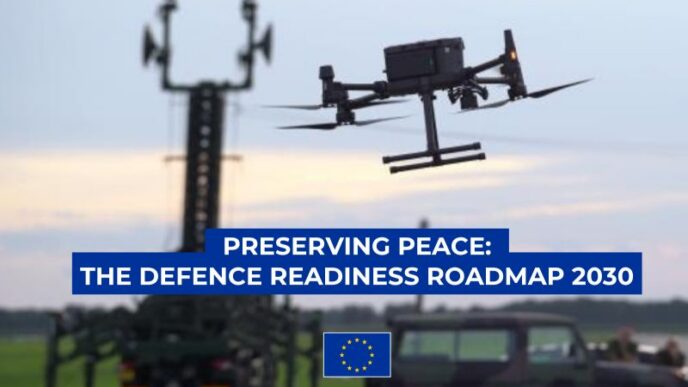
The study concludes that investment decisions should focus on capabilities rather than on individual hazards or technologies, with technology understood as an enabler rather than a solution in itself. Among the 12 emerging technologies assessed, those with the greatest potential were solutions that combine several domains, including advanced integrated sensing systems, AI-assisted drone detection, 3D mapping and localisation, and city-scale digital twins.
Expert assessments identify technological convergence as the main driver of future impact. They also warn that technologies that are not interoperable, trusted or suited to operational realities are unlikely to deliver. Investment decisions should therefore consider not only technological maturity, but also how solutions contribute to clearly defined capabilities and how dual-use risks, particularly those linked to artificial intelligence, are governed.
A more strategic conversation on Europe’s preparedness for future crises
At a time when Europe faces overlapping risks from climate change, security threats and infrastructure vulnerabilities, this report offers useful insights for researchers, policymakers, practitioners and innovators. Developed through extensive expert consultation and horizon scanning, it sets out a shared view of the capabilities likely to shape disaster resilience in the coming decades. It is particularly relevant to the CERIS community, linking policy needs, operational realities and innovation priorities, and provides a strong basis for further discussion across civil protection, security, emergency management and resilience research.