

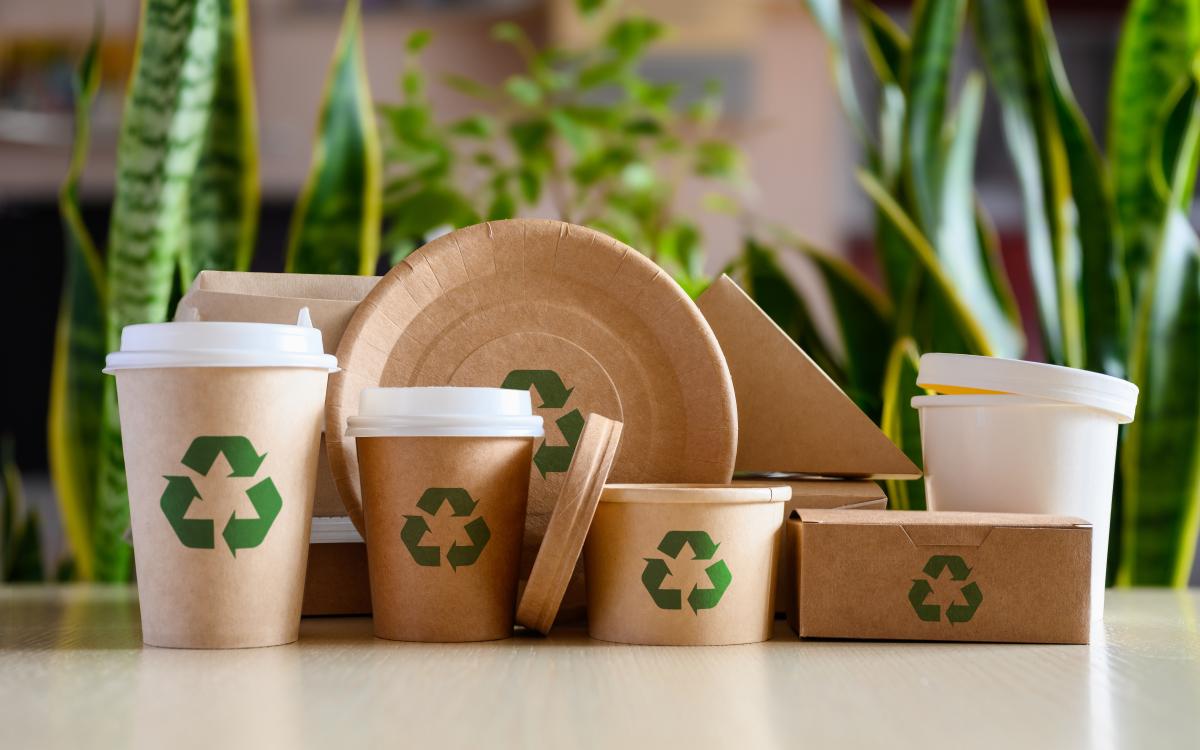
New rules under the Packaging and Packaging Waste Regulation (PPWR) entered into application across the EU today (12 Aug).
The Regulation will further help tackle the environmental challenges caused by packaging and make Europe less dependent on imported fossil fuels from which plastic packaging is almost entirely made. It will also help strengthen the Single Market for packaging, facilitate cross-border businesses through common rules, and support the EU’s transition to a competitive circular economy and climate neutrality by 2050.
A key measure entering into application tomorrow is a restriction on per- and polyfluoroalkyl substances (PFAS) in food-contact packaging, meaning food-contact packaging containing PFAS above strict limits can no longer be placed on the EU market.
The measure is designed to reduce exposure to so-called ‘forever chemicals’ – a group of highly persistent substances that can accumulate in the environment and in the human body.
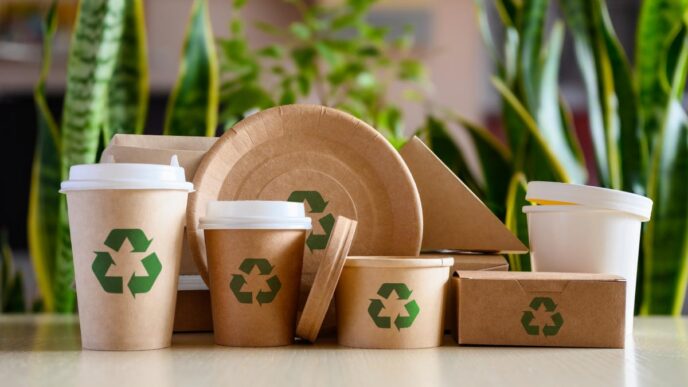
PFAS have been commonly used in food packaging such as takeaway containers, fast-food wrappers, microwave popcorn bags, bakery paper and pizza boxes, to repel water or grease. By limiting the use of PFAS in food-contact packaging, the new rules will help protect human health while reducing the release of these harmful substances into the environment.
In addition, definitions, for example for manufacturers and producers responsible for extended producer responsibility of packaging, will now be harmonised across the EU. Certain markings and information will now also be required for packaging, ensuring that packaging manufacturers or importers can be identified and contacted as needed.
“The new Packaging and Packaging Waste Regulation is an investment in Europe’s future: it will help reduce waste, increase recycling, make food-contact packaging safer for the consumers by limiting harmful substances such as PFAS, and reduce our dependence on virgin raw materials. These are essential steps towards a truly circular economy.
At the same time, the Regulation will replace fragmented national rules difficult to navigate for economic operators in the internal market. But new rules also come with adjustment costs, and we have worked intensively with market operators to implement the new rules in a pragmatic and unbureaucratic way.”
Jessika Roswall, Commissioner for Environment, Water Resilience and a Competitive Circular Economy
Next steps
By promoting a more circular economy, the Packaging and Packaging Waste Regulation will help keep valuable materials in use for longer and increase the recovery and use of secondary raw materials within the EU. This will reduce pressures linked to resource extraction and waste generation, while strengthening the resilience and competitiveness of European industry through a more secure and sustainable supply of materials.
Following tomorrow’s general entry into application, additional rules under the PPWR will come into place gradually.
From 2028, a harmonised labelling system for packaging will apply across the EU to facilitate waste-sorting, thereby increasing efficiency in the recycling and composting waste streams, and saving the packaging industry several billions of euros over years.
The majority of the obligations will become applicable as of 2030. This includes measures to:
- Reduce the generation of packaging waste, such as new limits on empty space, reuse targets or very small single-use plastic packaging formats used in hotels and restaurants.
- Foster the circular economy, including the mandatory use of recycled plastic waste in new plastic packaging and the requirement that all packaging is recyclable.
The Commission is advancing its work swiftly to put forward the necessary secondary legislation in time, while striving to ensure that it is effective and does not create unnecessary administrative burden. In doing so, it will continue to work closely with national authorities, industry and civil society to ensure the efficient and pragmatic implementation of the new rules.
Background
The Packaging and Packaging Waste Regulation (PPWR) responds to both environmental and economic challenges. Without action, packaging waste in the EU was projected to grow by 19% by 2030, while plastic packaging waste could rise by as much as 46%.
The regulation entered into force in February 2025 and its rules begin to apply on a phased basis from 12 August 2026. The full application of the Regulation will contribute to a more sustainable and competitive packaging sector across the EU and to strengthening the Single Market for packaging through common rules.
It will make Europe less dependent on imported fossil fuels from which plastic packaging is almost entirely made. By promoting a more circular economy, the PPWR will help keep valuable materials in use for longer and increase the recovery and use of secondary raw materials within the EU. This will reduce pressures linked to resource extraction and waste generation, while strengthening the resilience and competitiveness of European industry through a more secure and sustainable supply of materials.
The new packaging rules will also help further tackle the environmental challenges caused by excessive packaging. It will be beneficial to consumers – for instance by limiting harmful substances like PFAS – and create opportunities for businesses.
The wide-ranging set of measures is expected to significantly reduce greenhouse gas emissions, water use and environmental costs in the packaging sector, while saving businesses substantial compliance costs in the medium term.
The European Commission will continue to work closely with stakeholders and Member States to support efficient and practical implementation on the ground.
To facilitate the uniform application of the new packaging rules across the EU and simplify compliance, the Commission has published guidelines on the implementation of the PPWR as well as Frequently Asked Questions.
The guidance published in March 2026 includes practical information for businesses, national authorities and other stakeholders on the application of the new PFAS restrictions.
More information
Packaging & Packaging Waste Regulation | European Commission
Packaging and Packaging Waste Regulation | EUR-Lex
Guidance document for Regulation (EU) 2025/40 on Packaging and Packaging Waste | EUR- Lex
Updated Frequently Asked Questions on PPWR | Publications Office of the EU
Plastic packaging waste in the EU: 35.3 kg per person | Eurostat