

When CO2 is released into the atmosphere, it stays there for thousands of years. Excess CO2 warms the planet, acidifies oceans and triggers extreme weather events. This is why reducing carbon emissions remains an absolute priority for the EU and our global partners.
Energy transition solutions such as renewable energy and energy efficiency, which reduce CO2 emissions in the first place, are already working well in many sectors in the EU, such as buildings and transport. But not every sector is easy to decarbonise. Take cement or steel production, for example. Not only do these heavy industries require huge volumes of energy, but they also generate additional CO2 emissions through the chemical processes involved in production, regardless of the energy sources used. These emissions are hard to abate.
In cases like this, industrial carbon management (ICM), also referred to as Carbon Capture Utilisation and Storage, can play a crucial role. ICM encompasses the technology and infrastructure used to capture, transport, use or permanently store CO₂ emissions, mostly from industrial activities, but also directly from the atmosphere. ICM is not a replacement for clean energy technologies. Rather, it offers solutions complementary to their rollout, and needed for the EU to become the world’s first climate-neutral continent by 2050. The modelling work which underpinned the EU’s 2040 Climate Target makes that clear: ICM will be essential to capture hard-to-abate emissions.
ICM will also be key to maintaining a competitive industrial base in the EU. Adopted in 2024, the European Commission’s Industrial Carbon Management Strategy outlines our comprehensive approach to scaling up carbon management in the EU. It sends a clear signal to the market and to investors about the importance of ICM on the path to 2050.
Carbon capture technology – the basics
ICM technologies allow for CO2 to be collected directly from factories and powerplants, before it is ever released into the atmosphere, offering huge potential to significantly reduce industrial emissions. Carbon emissions can also be collected from bio sources like wood biproducts and crop residues through processes such as combustion and fermentation. For CO2 that’s already in the atmosphere, chemical or physical ‘direct air capture’ processes, like giant carbon-sucking fans, can be used.
Once captured, the gas can either be permanently stored deep below the Earth’s surface or used as an input for industrial processes. If used or stored at a different location than its capture, adequate transport infrastructure is also needed.
For local communities, industrial carbon management can support industrial transformation, protect jobs and strengthen the regional economy.
Permanent carbon storage
Most of the carbon captured goes into safe and permanent storage in deep geological formations beneath the land and sea, preventing it from re-entering the atmosphere. This involves using injection wells to channel the greenhouse gas several kilometres beneath the surface into depleted oil and gas fields – essentially putting it back where it came from – or into saline aquifers, which are deep rock formations saturated with salty water, giving them significant CO₂ storage capacity.
The permanent storage of carbon has already been used around the world, including for decades in the United States. When well designed and properly regulated, any adverse effects on the environment and human health are very limited, as are the chances of significant leaks or re-emission into the atmosphere. In the EU, a robust legal framework sets clear requirements for environmental protection, monitoring, and long-term liability. Storage sites are selected through extensive geological assessment and operate under strict monitoring and regulatory requirements, designed to ensure long-term safety and permanent storage.
Captured carbon can be useful
Carbon is required as a feedstock for certain industrial processes such as construction products, synthetic fuels, plastics and chemicals. In many cases, the captured CO₂ is then stored for a very long time in these products, preventing it from re-entering the atmosphere. Construction materials are one such example. The utilisation of carbon in this way can happen either at the same facility where it is captured, or elsewhere, thanks to the available transport options.
Captured CO₂ can also be recycled for agricultural uses in greenhouses. Increasing CO₂ concentrations in greenhouses enhances plant growth and yields by helping crops photosynthesise more efficiently under controlled conditions.
How is carbon transported?
When the captured CO2 isn’t needed on site, it has to be transported elsewhere. Like natural gas, it can either be transported via high-pressure pipeline or liquefied and transported by ship, truck or rail. A reliable pipeline infrastructure is essential for transporting carbon at a large-scale, while other forms of transport also have a role to play, particularly for smaller or more remote emitters.
Scaling-up carbon management in Europe
In Europe, where the EU Emissions Trading System (ETS) requires industries to pay for their greenhouse gas emissions, the business case for industrial carbon management is strong. It offers a crucial decarbonisation pathway for sectors responsible for hard-to-abate emissions, and this is reflected in the decarbonisation strategies of these industries. Despite its potential however, the number of ICM projects currently under development remains insufficient to meet Europe’s climate targets, making urgent action necessary to scale up ICM technologies.
One of the most important needs identified in the EU’s Industrial Carbon Management strategy of 2024 was the development of EU legislation to foster the establishment of a well-functioning internal CO2 market and infrastructure. The Commission’s proposal for this legislation is planned for early 2027.
Earlier in 2026, the Commission also proposed a review of the ETS, first launched in 2005. ICM will remain a key component within the modernised ETS, which is being revised to strengthen Europe’s industrial competitiveness and support the delivery of the EU’s 2040 climate target.
Europe’s largest carbon capture and storage project
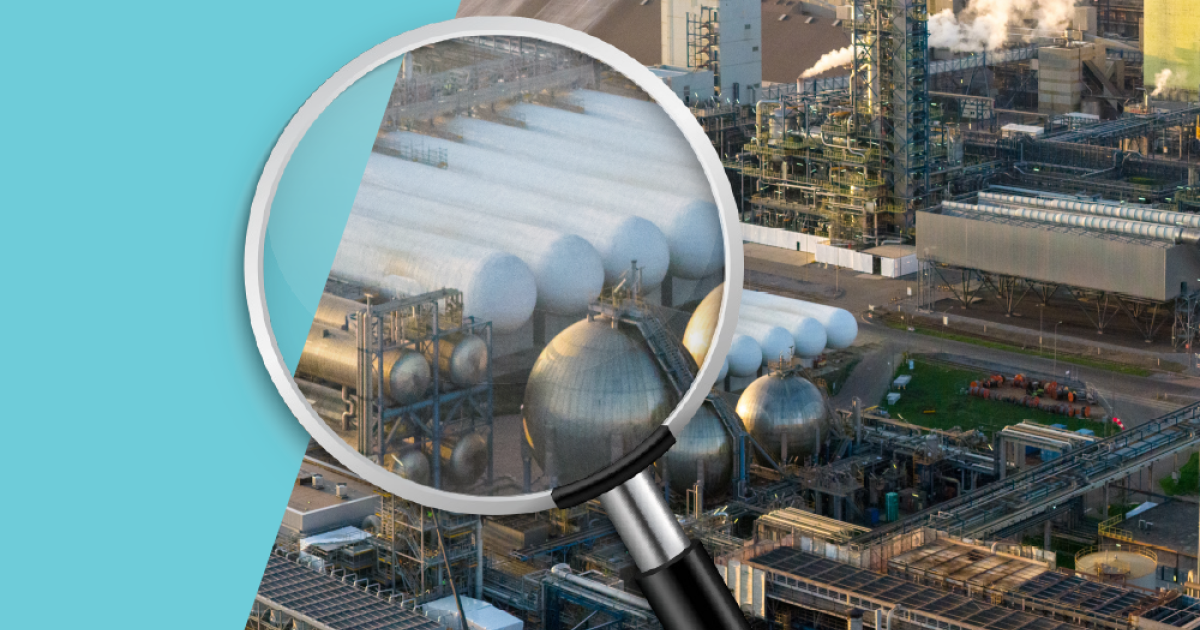
Sluikil, a village in the Dutch province of Zeeland, is home to Europe’s largest commercial carbon capture for storage project, the Yara Sluiskil plant, which began capturing carbon in September this year. The industrial ammonia and fertiliser facility is expected to capture and liquefy up to 800 000 tons of CO₂ every year from its ammonia production, around 12 million tons over the next 15 years.
The captured CO2 is transported by ship and permanently stored under the Norwegian North Sea at the Northern Lights facility, which received financing from the EU under the Connecting Europe Facility. A powerful example of EU cooperation with partners to deliver the clean energy transition, the cross-border project will promote the reduction of emissions from industries by fostering innovation and creating a strong industrial base for the continued development of industrial carbon management technology.
This project is significant because it marks the first volumes of CO2 successfully captured and geologically stored at industrial scale in Europe. Meanwhile, progress continues on the construction of further key CO2 storage infrastructures in Europe, including Porthos in the Netherlands and Greensand in Denmark. The EU’s Net-Zero Industry Act sets an ambitious target of making at least 50 million tonnes of CO2 storage capacity available annually by 2030 in the EU.
EU funding for carbon management projects
EU support is available to continue developing industrial carbon management projects, like the Yara Sluiskil plant. EU funding programmes and public support can help reduce costs during early deployment and infrastructure development, helping to unlock the long-term climate and societal benefits which this technology can deliver for Europe.
Cross-border CO2 transport and storage infrastructure projects are eligible to apply for the status of Projects of Common Interest (PCI) or Projects of Mutual Interest (PMI). This status, which recognises the EU-added value of the project, as well as its contribution to the EU’s energy policy and climate objectives, brings several advantages for projects including faster permit approvals and increased visibility to investors. In addition, these projects also have the right to apply for funding from the Connecting Europe Facility for Energy, which is the EU’s main funding instrument for cross-border energy infrastructure.
At the end of 2025, the Commission published the latest list of PCIs and PMIs, which is updated every 2 years. This list contained 17 CO2 transport and storage infrastructure projects.
The Connecting Europe Facility for Energy has provided €8.6 billion for flagship projects since 2014, €978 million of which has been awarded to CO2 infrastructure projects.