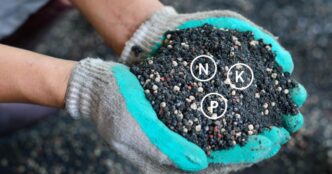


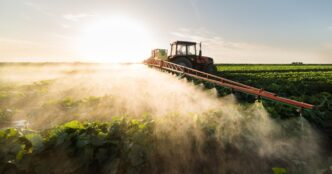
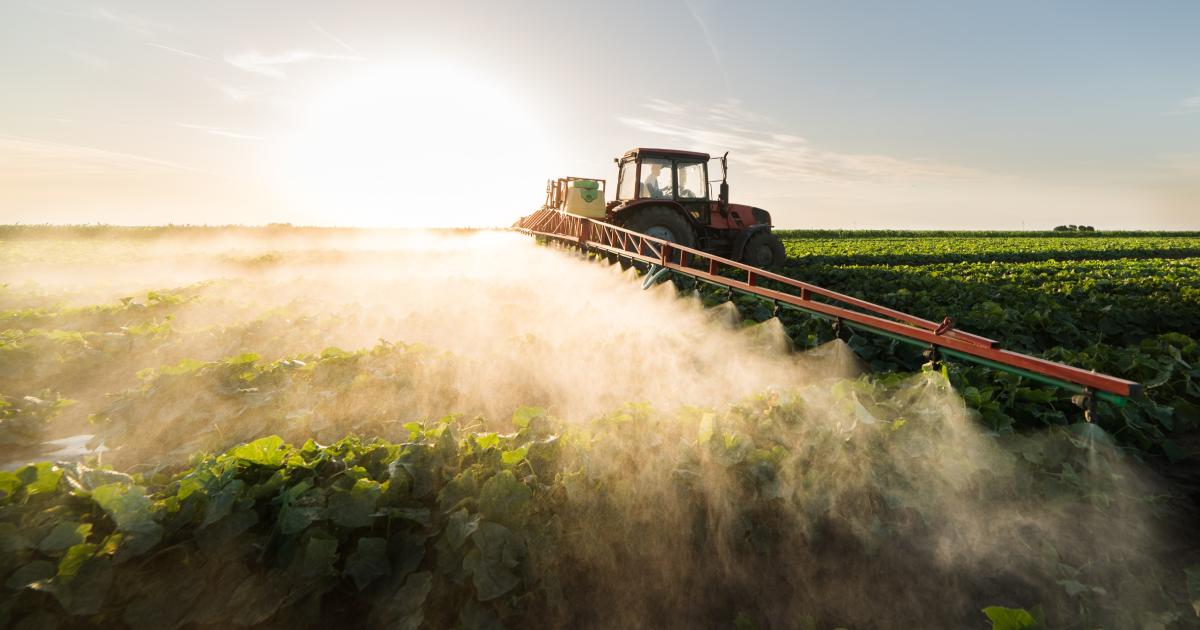
A new study shows that agricultural digestates – which are the residues of anaerobic digestion of organic material such as livestock manure, crops or food waste – could partially replace mineral fertilisers, especially in areas with high concentrations of livestock, contributing to a stable flow for EU agriculture in times of market volatility.
Geopolitical instability, notably the crisis in the Middle East, has severely disrupted global fertiliser markets and is driving up energy and fertiliser prices, which affect farm profitability and competitiveness. Between December 2025 and April 2026, nitrogen fertiliser prices in the EU surged by a further 40%, compounding costs that were already 62% higher than in 2020.
The Gulf region alone accounts for 43% of global urea exports and 27% of ammonia exports, leaving European farmers highly exposed to supply disruptions. Strengthening strategic autonomy in fertilisers ‒ particularly through homegrown, bio-based alternatives ‒ has become an urgent policy priority.
The study arrives at a pivotal moment for European agriculture. Compiled together with a group of international experts and published by the European Commission’s Joint Research Centre (JRC), the study provides critical scientific evidence to support the safe use of agricultural digestates as fertilising materials. The study ‒ Overview of key considerations for the safe application of agricultural digestates as fertilising materials under various conditions ‒ can help to strengthen the EU’s strategic autonomy in fertilisers and advance the transition towards a more bio-based, circular economy.
The role of agricultural digestates
The main product of anaerobic digestion of organic material is biogas, and what remains as a secondary material is agricultural digestate – rich in valuable elements for soil and plants.
The study results show that agricultural digestates, particularly certain liquid fractions obtained through centrifugation, offer a viable pathway to partially replace mineral fertilisers without compromising agricultural productivity or environmental safeguards. The study confirms that digestates with low carbon-to-nitrogen ratios and high mineral nitrogen content perform agronomically in a similar way to synthetic fertilisers.
However, environmental risks ‒ including ammonia emissions and nitrate leaching ‒ must be effectively managed through appropriate feedstock selection, processing technologies, storage practices, and precise field application techniques.
Policy context and impact
The study directly supports ongoing EU policy initiatives
- The Fertiliser Action Plan (May 2026) set out measures to improve the availability and affordability of fertilisers in the EU, in the face of fertiliser crisis as a result of the crisis in Middle East. The Commission announced its intention to explore whether digestates currently outside the REcovered Nitrogen from manURE (RENURE) criteria, especially liquid fractions, could safely be included within their scope, and hence be applied up to an extra 80 kg N/ha/year above the standard 170 kg N/ha/year ceiling for traditional animal manure in Nitrate Vulnerable Zones.
- The EU Livestock Strategy (July 2026) reinforced this urgency
- The Nitrates Directive evaluation (July 2026) concluded that the directive is compatible with an expanding production of biogas in the EU, representing an opportunity for improved circularity in the use of digestates as organic fertilisers in agriculture
- The EU Bioeconomy Strategy (November 2025) charts a way forward to build a clean, competitive and resilient European economy, and recognises bio-fertilisers as a lead market with high potential for both economic growth and environmental benefits.
The findings underpin the policy proposal under the Fertiliser Action Plan to extend the scope of the Renure Act (amending Annex III to the Nitrates Directive) authorising the use of liquid digestates obtained via anaerobic digestion followed by centrifugation above the standard limit of 170 kg N/ha/year in Nitrates Vulnerable Zones.
Appropriate safeguards ‒ including measures to prevent ammonia volatilisation, controls on contaminants, and phosphorus application limits ‒ would ensure that expanded use remains compatible with the objectives of the Nitrates Directive and other EU legislation on the protection of environment and human health.
Outlook
By enabling broader recognition of digestates as RENURE-like fertilisers, the EU can reduce its dependence on imported mineral nutrients, lower farming costs in livestock-intensive regions, and accelerate progress towards circular economy goals ‒ ultimately making European agriculture more resilient to global market volatility.