

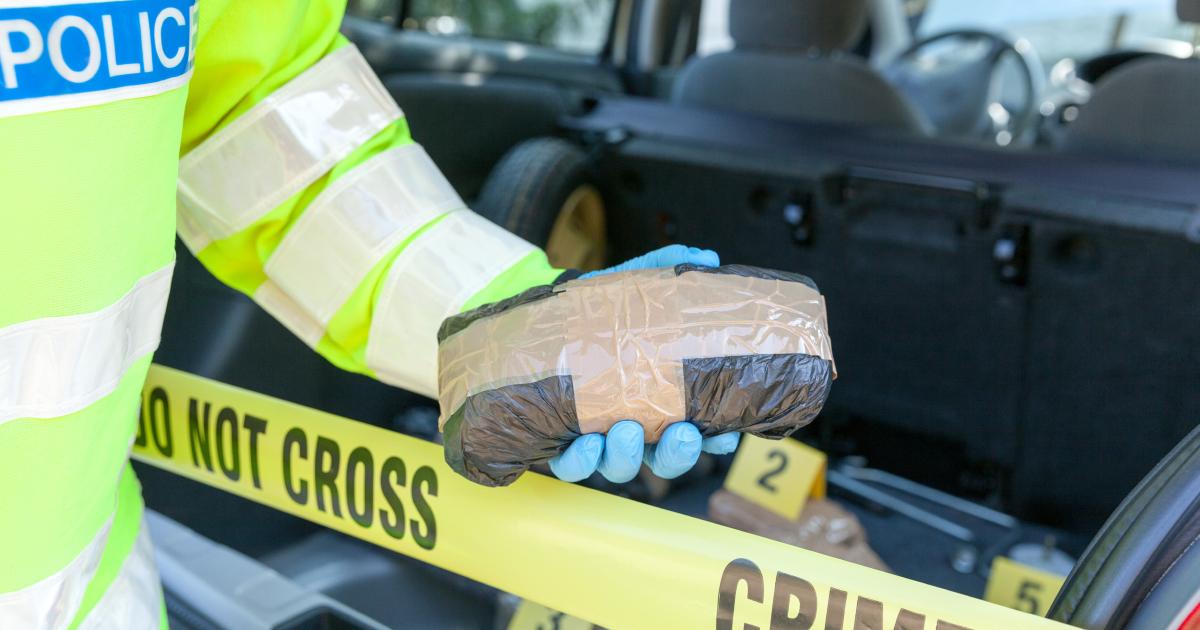
In 2026, Europol supported several international operations to disrupt large-scale drug production and distribution, resulting in arrests and seizure of criminal assets.
Criminal networks operate across borders, exploiting legal loopholes and legitimate business structures, which makes it harder for law enforcement authorities to disrupt their activities. Europol played a key role in investigations and international action days by:
- sharing intelligence and real-time operational information between national authorities;
- coordinating investigations;
- supporting joint operations tackling drug trafficking.
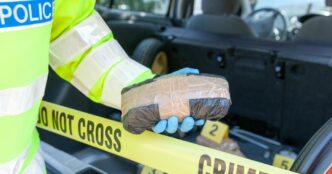
Europol supported a major international investigation that disrupted a route for cocaine entering Europe, the Atlantic ‘Cocaine Highway.’ During a two-week operation, 11 tonnes of cocaine and 8.5 tonnes of hashish were seized, including 54 arrests. Investigation identified a three-stage smuggling method between Latin America and South-West Europe:
- Container ships collect cocaine in Latin America;
- During the journey in mid-ocean, the cocaine is transferred to high-speed vessels;
- Smaller boats deliver the cocaine to remote coastal areas in Portugal and Spain.
Europol and Eurojust worked together to dismantle a criminal network, that used legitimate commercial shipping to smuggle cocaine from Latin America to Europe. The trafficking activities were linked to shell companies registered in Switzerland and the Netherlands. A seizure of over 750 kilos of cocaine in Antwerp further exposed the scale of the network’s activities, linking it to large quantities of cocaine intercepted in previous operations. Together with national authorities from 10 European countries, Ecuador and the United States, Europol supported the investigation and action days in November 2026.
Together with Spanish and Ecuadorian law enforcement agencies, Europol carried out an action day targeting a large-scale trafficking of cocaine through tropical fruit shipments. The criminal network operated major container traffic ports in Ecuador and had strategic bases in Peru, logistics hubs in Belgium, Spain and the Netherlands, and operational links in the United Arab Emirates.
Another large international drug network was suspected of operating in Belarus, Moldova and Ukraine. It ran 36 production sites and 74 storage facilities. Europol worked together with Ukrainian, Polish and Moldovan law enforcement authorities to dismantle these sites. The action day led to criminal charges against 129 suspects and the seizure of significant quantities of drugs and precursors, including over 20 000 litres of precursors.
The network misused legal business structures operated by Polish and Lithuanian individuals previously involved in illicit synthetic drug production. Europol supported law enforcement authorities in identifying criminal activities across different EU countries and exploiting legal loopholes.
Europol continues to build on the intelligence to support national authorities to identify and dismantle organised drug trafficking networks.