

The construction sector has a substantial environmental footprint – in the EU being responsible for an estimated one third of all waste generation, almost 50% of all resource consumption and around 40% of greenhouse gas emissions. The EU Circular Economy Action Plan and Waste Framework Directive both give particular consideration to the sector. The latter sets a target for 70% of construction and demolition waste to be recycled by 2020. The EU Regulation on harmonised conditions for the marketing of construction products also highlights the importance of re-using and recycling materials, parts and buildings.
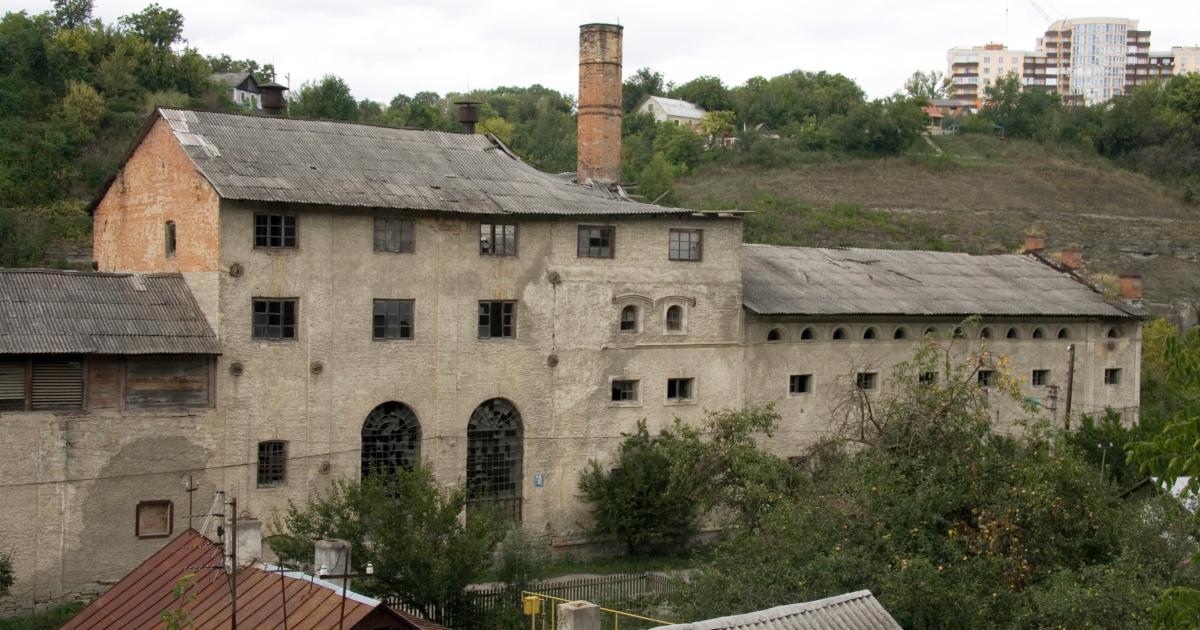
Adapting existing buildings, rather than demolishing and rebuilding to meet changing needs, can significantly reduce environmental impacts and offers the advantage of retaining their cultural and historic value. A new study based in Poland – where this approach is often taken to redevelop post-industrial buildings in urban areas – set out to gather insights from completed projects, which could inform future redevelopments.
The study assessed 10 major projects completed across Poland between 2014 and 2024. Originally breweries, factories and other facilities, these building complexes had been converted for a range of uses including hotels, accommodation, retail and cultural centres – often incorporating several uses on one site.
The researchers considered how well these case studies demonstrated the principles known as the ‘4 Rs’:
- Reduce – limiting waste generation by minimising demolition and other removals;
- Re-use – using components from the original structure without significant modifications (e.g. using supporting columns in different locations or as architectural features);
- Recycle – reprocessing components for new uses (e.g. transforming original columns into lighting fixtures or decorative elements);
- Recover – retrieval of some value, such as economic or cultural, from spaces or structures no longer serving their original purpose.
All 10 projects inherently demonstrated the Recover principle, say the researchers, as they retrieved economic and social value from disused industrial spaces. Nine cases also included examples of Re-use, mainly by using original elements for design or decorative functions. Eight projects incorporated the Reduce principle, although often this was mandated under regulations on heritage conservation. The least well-represented principle was Recycle, evident in only five cases, mostly involving transformation of original components into features such as trellises, seats or planters. Overall, the 4R concept was most comprehensively demonstrated in the conversion of the Źnin Sugar Factory into a hotel and conference centre.
The authors note that projects generally performed better if 4R principles were incorporated before design stage. They highlight two strategies for doing this: conducting a detailed inventory of features and components before starting the design process and designing the new structure around the existing assets to minimise demolition or removal.
Many projects face inherent constraints on the application of the principles. The physical state of the existing structures and features can significantly limit opportunities, say the researchers, if the condition is too poor for them to be retained or reused. They also note that following the 4Rs can place additional demands on project cost and duration, and therefore requires commitment at all levels and stages, especially from private investors who might otherwise seek quicker but less responsible approaches.
The authors present a framework for the application of the 4Rs in building redevelopment. This identifies actions that can be taken through the four main stages of the project – pre-design assessment (e.g. inventory processes), design (e.g. limiting use of new materials), construction (e.g. waste sorting) and post-construction (e.g. maintenance guidance) – to optimise overall outcomes.
The authors also propose several recommendations for optimising redevelopment projects, including:
- Integrating the 4R principles into plans and design guidelines for projects seeking investment
- Using state-of-the-art digital inventory tools;
- Gathering and sharing information on recycling/reuse options;
- Promoting fiscal policies to incentivise socially and ecologically sensitive redevelopment practices.
The study did not evaluate the economic, social and environmental impacts of the case study projects, the researchers note. They suggest that this could be a topic for further research, as could studies on life cycle assessments and carbon footprints for such projects and assessing the effectiveness of 4 R approaches over time.
Source:
Jabłoński, W., Banachowska, E. and Patyna, K. (2025) Post-Industrial Adaptive Reuse in
Poland as an Educational Template for Circular Economy in Architecture. Sustainability 17:9961 doi.org/10.3390/su17229961
To cite this article/service:
“Science for Environment Policy”: European Commission DG Environment News Alert Service, edited by the Science Communication Unit, The University of the West of England, Bristol.
Notes on content:
The contents and views included in Science for Environment Policy are based on independent, peer reviewed research and do not necessarily reflect the position of the European Commission. Please note that this article is a summary of only one study. Other studies may come to other conclusions.