

Amid fears of renewed conflict in Northern Ethiopia, the European Union is providing €61 million in humanitarian funding to help the most vulnerable people in Ethiopia affected by conflict, displacement, disease outbreaks and climate-related hazards, including the impact of El Niño.
The European Union is deeply concerned by the rapidly deteriorating situation in Northern Ethiopia and its impact on the population, including reports of military activity across multiple localities, as well as the take-over of Mekelle, Axum and Shire airports in Tigray by the Tigray People’s Liberation Front forces. Over the past weeks the EU has followed with concern the several drone strikes conducted by the Ethiopian National Defence Force. The EU calls for immediate de-escalation, protection of civilians and unimpeded humanitarian access.
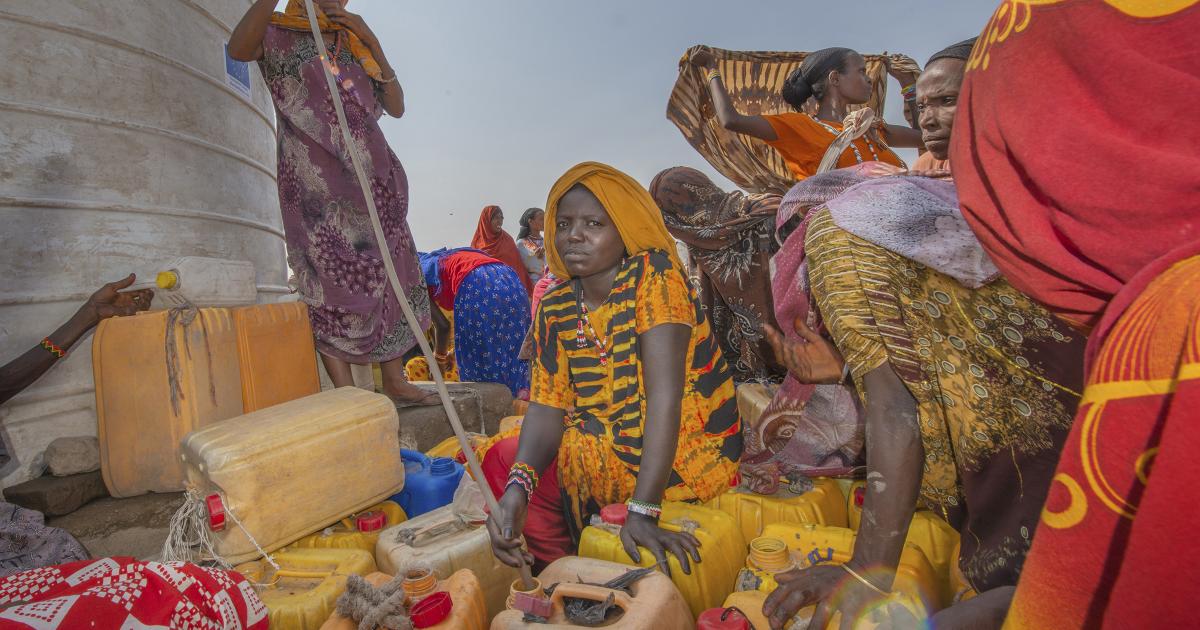
Humanitarian needs in Ethiopia remain high, particularly in conflict-affected, hard-to-reach areas and in Amhara, Benishangul-Gumuz, Oromia and Tigray. The country hosts large refugee populations, and conflicts in neighbouring Sudan and South Sudan result in massive sudden influxes. Ethiopia is also regularly affected by climate-induced hazards, further exacerbating needs.
The EU funding will provide lifesaving and protection assistance to the people most in need. It will support emergency food assistance and nutrition, healthcare, access to water, sanitation and hygiene services, protection, shelter and essential household items, as well as education in emergencies. The funding will also strengthen rapid emergency response to sudden crises as well as anticipatory and disaster preparedness actions. Particular attention will be given to recently displaced people, refugees and affected host communities.
The European Union has reiterated that respect for International Humanitarian Law is imperative and non-negotiable, including protecting civilians at all times and respecting the impartiality and independence of humanitarian operations. The EU strongly condemns strikes affecting humanitarian convoys and any instance of denial of humanitarian access.
Commissioner for Preparedness and Crisis Management, Hadja Lahbib, said:
‘People in Ethiopia have already paid far too high a price for conflict, displacement and hunger. As tensions rise again in the north, civilians cannot be made to pay that price once more. With €61 million in humanitarian aid, Europe is standing with those most in need, but aid must be able to reach them. Civilians and humanitarian workers must be protected. I call for the urgent de-escalation of violence in Northern Ethiopia.’
Background
Ethiopia continues to face multiple and overlapping humanitarian crises, driven by the combined impacts of conflict, climate-related shocks and recurrent disease outbreaks.
Ongoing insecurity in several regions, including Amhara and Oromia, continues to displace communities and restrict access to essential services, while the country also hosts over one million refugees from neighbouring countries. Recurrent droughts, floods and public health emergencies further exacerbate food insecurity and humanitarian needs, leaving vulnerable populations increasingly exposed to multiple shocks.
European Commission President Ursula von der Leyen announced in New York last Saturday a package worth close to €710 million to support displaced people in Africa and provide relief for people affected by crises around the world, at the conclusion of the 81st UN General Assembly High Level Week. Of that amount, €18 million will support humanitarian needs in Ethiopia, bringing total EU humanitarian aid to the country in 2026 to €61 million. The total funding amount is subject to the approval of the Budgetary Authority.