


This episode of Euronews Make It Work explores how the EU’s Social Climate Fund is supporting lower-income households in Sweden by helping them buy or lease a new or second-hand electric car.
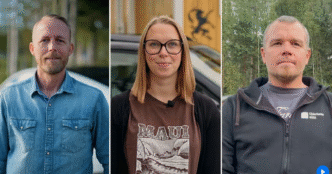
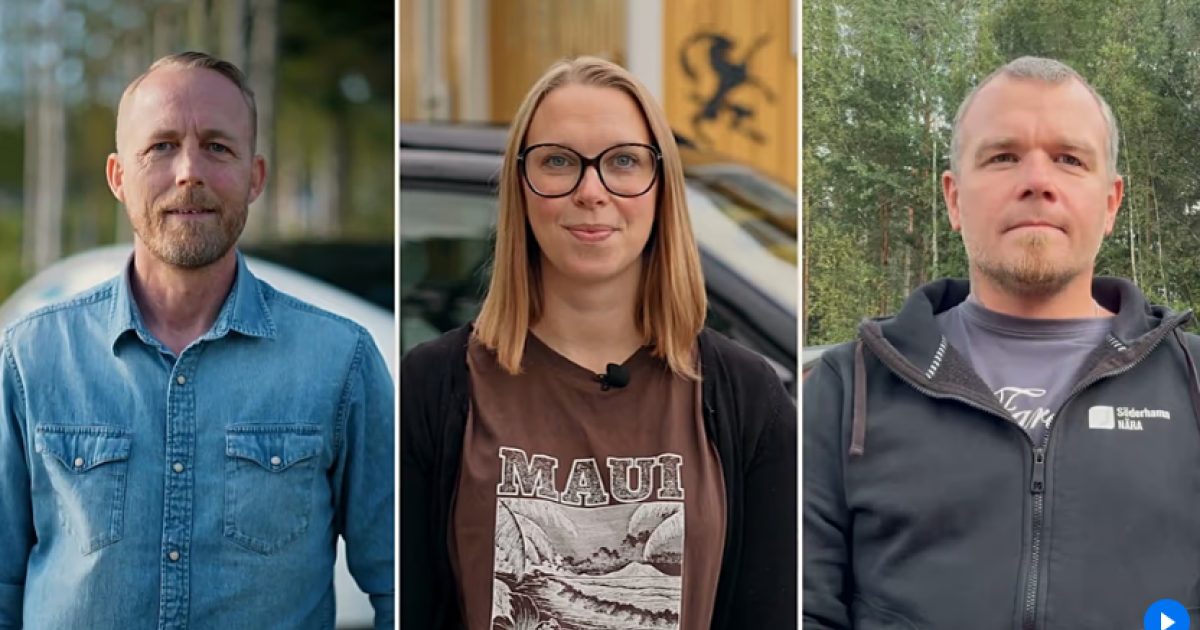
“We need a car because the kindergarten, our workplaces and the shops are all in different places, so using the bus would not work,” says Olivia Almquist, a mother of two who lives in the countryside in central Sweden. Daniel Caldeman, a social worker who was eligible for the premium to buy an electric car, explains: “Before, I was paying more than €800 a month on diesel for my car. Now I pay €150 to charge it.”
Sweden is a vast country, and roughly one third of its population lives in rural municipalities, where having a car is essential for getting to work, school, healthcare and other services. The country has therefore introduced, with support from the Social Climate Fund, an electric vehicle premium for low- and lower-middle-income households in rural areas with limited access to public transport.
According to Elin Hall, project manager at the Swedish Environmental Protection Agency, “a clear majority — nearly 90% — are used vehicles. The main objective is to make the green transition fairer and more equitable. We can also see that it is helping to reduce CO2 emissions.”
More than 20,000 people in Sweden have applied for the electric car premium since its launch in March.