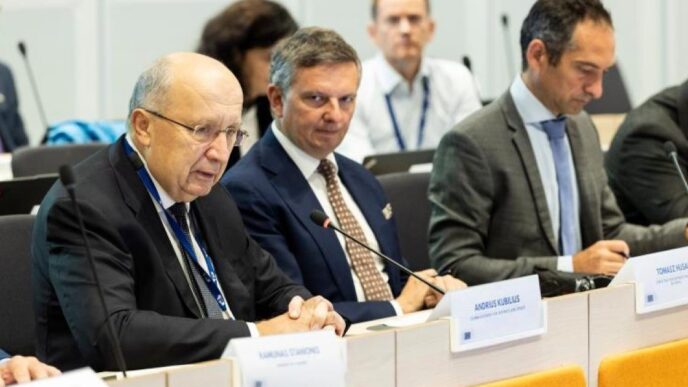


The impact of in‑cash child benefits varies across EU countries. Austria sees the strongest effect, with child poverty reduced by 16.6 percentage points. Spain shows the smallest reduction, at 4.6 percentage points. These differences suggest there is room for EU countries to learn from each other and achieve higher social standards.
Key findings
- Child benefits can do more to reduce poverty: large differences between EU countries show room to make cash benefits more effective and help reach the 2030 poverty reduction target.
- Better targeting and wider access could make a difference: in around one third of EU countries, disadvantaged families receive less financial support than better-off families.
- Benefits in kind also support families: by making essential goods and services more affordable, they can reduce the financial pressure on families.
- More children in early childhood education and care (ECEC) could support parents in work: increasing participation could raise maternal employment by up to 5 percentage points, making it easier to combine work and care.
- Investing in children pays off in the long term: analysis shows benefits for education, employment and health. Overall, for every €1 invested in quality benefits in kind for children, the estimated return is €5.26.
Progress towards the 2030 child poverty target
The EU has committed to reducing the number of children in poverty by at least 5 million by 2030. Progress towards this target has stalled, so efforts need to be stepped up and policies improved.
The new study underlines that in‑cash child benefits are a key tool to support families and lower child poverty. Its findings will contribute to the preparation of the forthcoming Commission Recommendation on child‑related benefits. This Recommendation was announced in the Communication Breaking the cycle of child poverty – strengthening the European Child Guarantee, which is part of the wider Anti‑Poverty Strategy.
Report on the effectiveness of child benefits in the EU