


Brussels, 26 June 2025 — The European Commission has unveiled a groundbreaking legislative package aimed at transforming the EU’s role in the rapidly evolving global space economy. The package, composed of the newly proposed EU Space Act and the Vision for the European Space Economy, marks a decisive step toward a more integrated, secure, and competitive space sector across the Union.
A Unified Approach to a Crowded Frontier
Currently fragmented by a patchwork of 12 national frameworks, Europe’s space sector faces mounting challenges in safety, sustainability, and global competitiveness. The EU Space Act aims to harmonize regulations, cut red tape, and establish a resilient and environmentally responsible ecosystem for both established players and emerging start-ups.
The proposed legislation introduces a robust framework based on three pillars:
- Safety: With over 11,000 satellites already in orbit and up to 50,000 expected to launch in the next decade, congestion and space debris pose a growing threat. The Act introduces improved object tracking and safe satellite disposal to prevent cascade collisions that could cripple satellite operations.
- Resilience: Amid growing cyber and electronic threats to space assets, operators will be required to conduct comprehensive risk assessments and implement cybersecurity protocols tailored to the space environment.
- Sustainability: As space activity ramps up, the Act sets out uniform metrics for measuring environmental impact, encouraging sustainable innovation such as satellite servicing to extend operational life and reduce debris.
Notably, the rules will apply to both EU and non-EU operators offering services within the Union, with regulatory requirements scaled according to a company’s size, maturity, and risk exposure.
Supporting Growth and Innovation
To help companies — particularly SMEs and start-ups — navigate the new landscape, the Commission proposes a support package that includes access to testing facilities, capacity-building resources, and technical guidance during the application process.
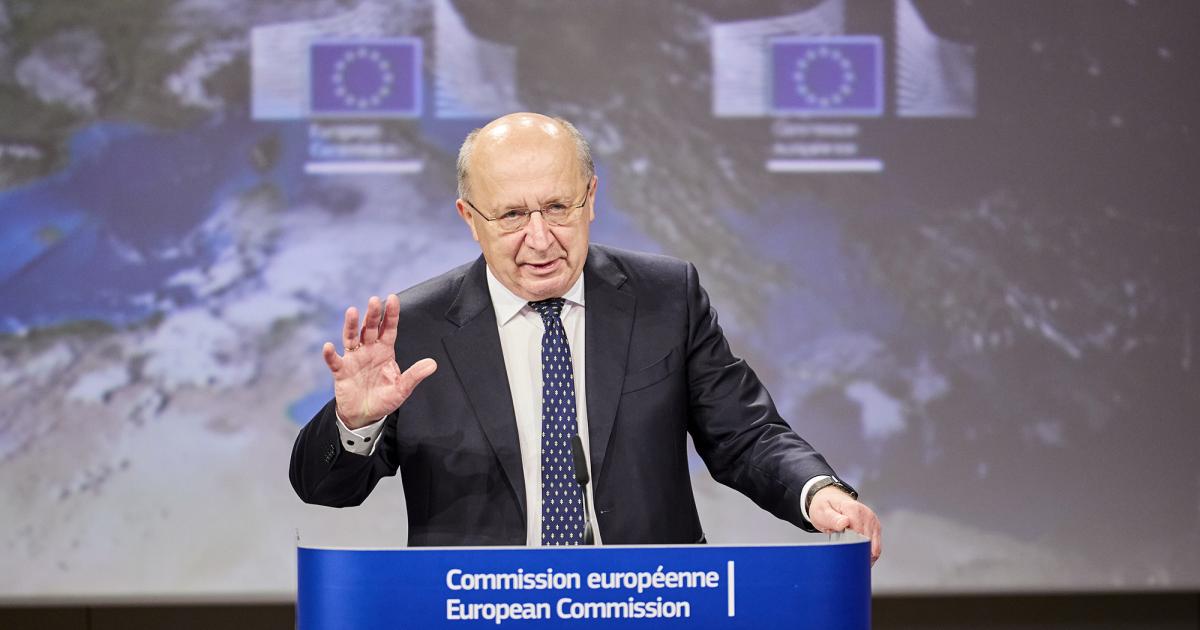
Andrius Kubilius, Commissioner for Defence and Space, emphasized the long-term ambition:
“A space revolution is coming. The 21st century will be the century of space. Europe needs to be at the forefront.”
A Vision for a Thriving Space Economy
Complementing the Space Act, the Vision for the European Space Economy outlines a strategic roadmap with over 40 concrete activities for leveraging space as a key driver of EU competitiveness and sovereignty. With applications ranging from climate monitoring and agriculture to finance, defence, and telecommunications, the EU is positioning itself as a global leader in both terrestrial and in-space markets.
The Vision highlights the shift toward in-orbit activities and commercial services, encouraging investment and innovation across the entire value chain. It also calls for the creation of Space Team Europe, a high-level coordination platform uniting Member States, public space actors and industry stakeholders to streamline policy and foster collaboration.
What’s Next?
The EU Space Act will now enter negotiations in the European Parliament and Council. Meanwhile, the Commission will begin implementing the Vision, including the development of a new methodology to track the EU’s space competitiveness.
As geopolitical competition intensifies and global space markets expand, the EU’s Space Package positions Europe to lead — safely, sustainably, and strategically.