


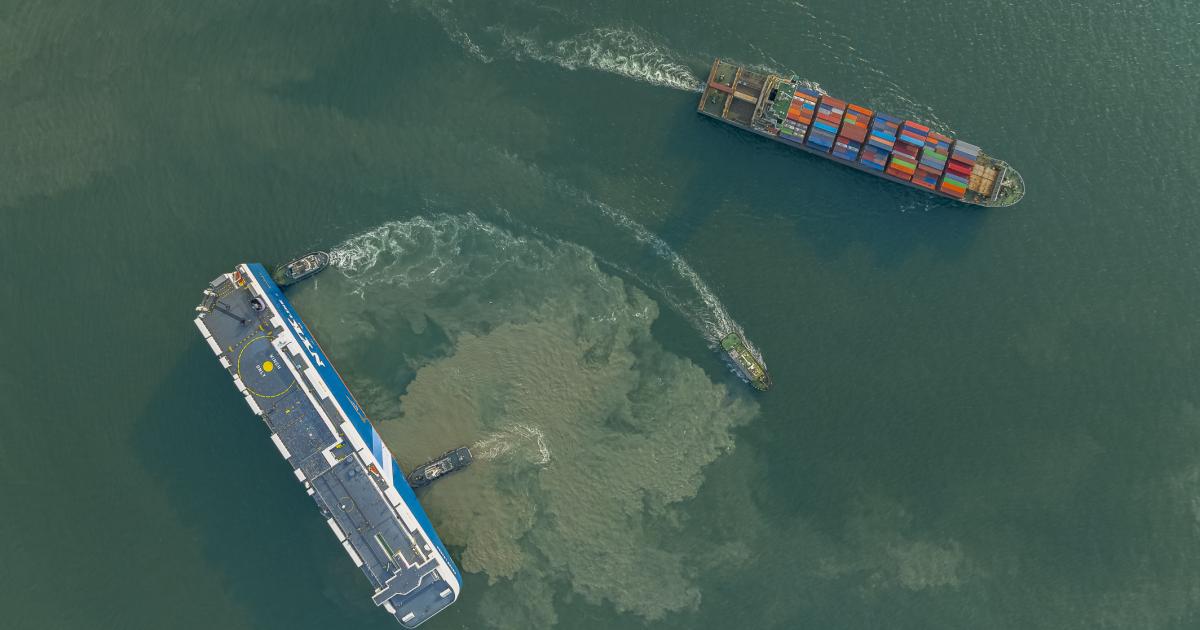
Starting 21 November 2026, exports of plastic waste from the European Union to non-OECD countries will be prohibited under the EU Waste Shipment Regulation. This landmark measure ensures the EU takes greater responsibility for the waste it generates.
The ban forms part of the EU’s broader push to tackle plastic pollution, strengthen its circular economy, and promote responsible waste management at home and abroad, aligning with its ongoing drive for an ambitious global treaty on plastic pollution covering the full life cycle of plastics.
Plastic waste mismanagement is one of the most serious forms of global environmental pollution. Exporting plastic waste to non-OECD countries is likely to create serious environmental challenges there and is not a sustainable way of managing plastic waste generated in the EU.
The Waste Shipment Regulation, which entered into force on 20 May 2024, introduces stricter rules for plastic waste exports. It aims to ensure EU waste exports are properly managed and that the EU does not shift environmental waste burden to non-EU countries.
The ban on EU exports of plastic waste to non-OECD countries will apply until at least 21 May 2029, after which those countries may apply to receive such waste from the EU.
Raising the bar on plastic waste exports
Plastic waste exports from the EU to OECD countries remain possible but are subject to greater scrutiny.
As required by the Regulation, the European Commission is monitoring these exports and will assess whether countries receiving significant volumes have the capacity to manage the waste in an environmentally sound manner.
On 18 September 2026, the Commission published its assessment of the sustainability of plastic waste exports from the EU to Türkiye.
To strengthen Europe’s plastic recycling capacity, the Commission set out measures in December 2025 to boost the Single Market for recycled plastics, unlock investment and stimulate innovation to scale up recycling and circular solutions.
Background
The EU generates around 40 million tonnes of plastic waste every year and exports between 1 and 1.5 million tonnes annually.
In 2025, around half of EU plastic waste exports went to OECD countries and half to non-OECD countries. The main destination countries were Türkiye (510,000 tonnes), Malaysia (276,000 tonnes), Indonesia (215,000 tonnes), Vietnam (137,000 tonnes) and the United Kingdom (108,000 tonnes).
In addition to the export ban on plastic waste that starts to apply on 21 November 2026, the Waste Shipment Regulation introduces stricter rules on EU exports for all other types of waste.
As a general principle, the EU will no longer export waste to non-OECD countries from 21 May 2027. As an exception, exports of certain non-hazardous wastes may be authorised to non-OECD countries that explicitly request to continue receiving waste from the EU and demonstrate that they can manage it in a sustainable manner.
The first list of countries authorised to receive waste from the EU will be established by the end of 2026. This list will be updated at least every two years, with the possibility for countries or types of waste which are not on the list to (re)apply.
More information
Waste shipments | European Commission
VIDEO: How is the EU tackling illegal waste shipments? | European Commission