

This year marked the third teachers’ visit to ITER, which the Commission has been organising since 2023, targeting secondary school teachers from across the EU.
scientific research
30 posts


The Copernicus Sentinel-5A satellite successfully launched today aboard an Ariane 6 rocket from Europe’s Spaceport in Kourou, French Guiana. It marks a significant step forward in Europe’s ability to monitor air pollution and atmospheric health on a global scale.


The Black Sea is one of the most disturbed marine ecosystems in the world and faces numerous anthropogenic stressors. Researchers have built a ‘Blue2’ model of the ecosystem to support environmental impact assessment and policymaking.


Upon the request of former Commissioner Stella Kyriakides, the Scientific Advice Mechanism (SAM) has set out recommendations for One Health governance in the European Union.


Life sciences – the study of living systems, from cells to ecosystems – are central to our health, environment and economy. Europe has long been a leader in life sciences, backed by a strong knowledge base and scientific excellence.
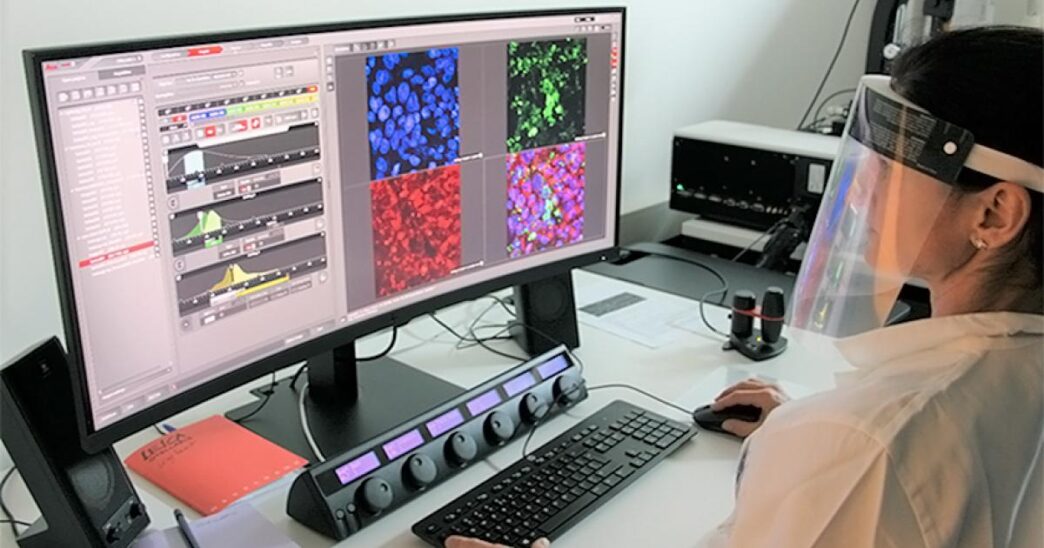
Two certified reference materials produced by the JRC – titanium dioxide and barium sulfate powders – will support the implementation of the European Commission’s Recommendation on the definition of ‘nanomaterial’ in regulatory contexts.


Increasing textile-to-textile recycling rates in the EU to 10% could achieve carbon savings of 440,000 tonnes per year, and conserve 8.8 billion cubic metres of water – making a case for a renewed focus on policies to tackle textile waste.


Despite an increase in policies, globally, to tackle the issue of farmed salmon escaping aquaculture pens, fish continue to reach oceans including the Atlantic. A new study explores the issue and how measures could be more effective.
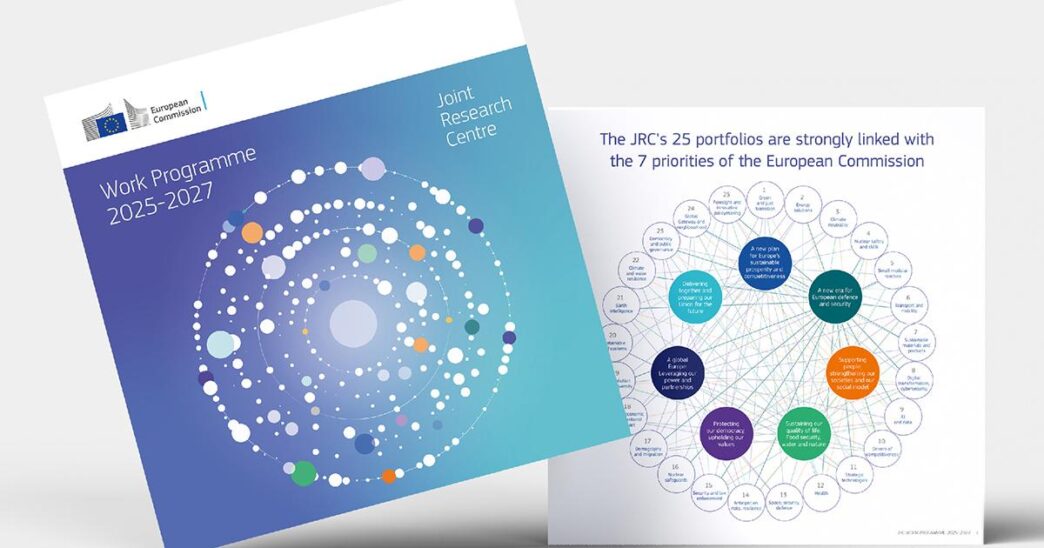
How JRC research will feed into EU policy in the next 3 years

New calls worth over €1.25 billion under the EU’s Marie Skłodowska-Curie Actions open doors for new research talent and will support cutting edge research. The EU has also launched the ‘Choose Europe for Science’ pilot, which is open to researchers from around the world to develop their careers.