

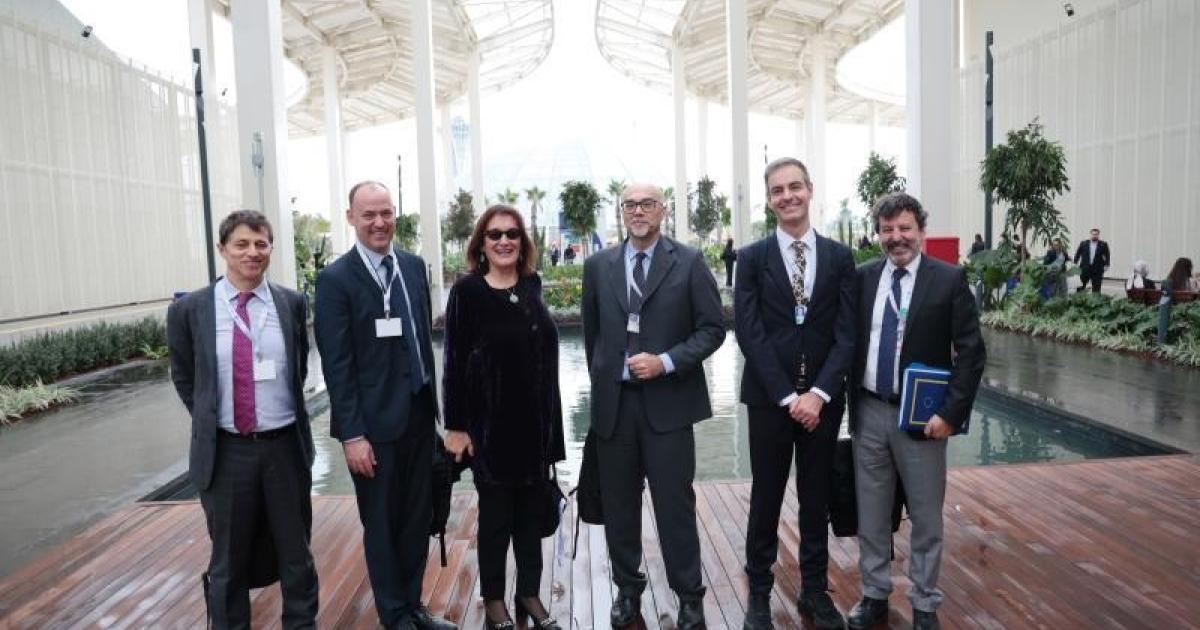
At the COP31 UN Climate Change Conference in Antalya, Türkiye, the Commission today presented the climate-related actions under the Pact for the Mediterranean. They are part of the EU’s commitment to work with international partners to accelerate global climate action and deliver on the goals of the Paris Agreement.
The Mediterranean is increasingly exposed to shared and interconnected challenges, including rising temperatures, drought, water scarcity, biodiversity loss and mounting pressure on food, energy and infrastructure systems. The Pact promotes climate action through stronger regional cooperation, sustainable investment and the active involvement of young people, in support of a greener, more resilient and prosperous region.
Commissioner for the Mediterranean Dubravka Šuica presented the Pact’s climate actions at the presentation of the findings of the Union for the Mediterranean (UfM) Climate Action Plan 2027–2028, financed by the EU, and at the dialogue with youth, civil society and businesses at the Pavilion of the Kingdom of Morocco.
The Pact for the Mediterranean’s second pillar includes several concrete climate-related initiatives, among them:
Partnership for clean transition, sustainable growth and resilience to support a green t transition in the Mediterranean through regional cooperation and local partnerships. The initiative aims to enhance climate mitigation and adaptation efforts, promote sustainable management of natural resources, accelerate circular economy practices, protect biodiversity, and mobilise public and private investment for resilient and sustainable economic growth.
Blue Mediterranean Health and Wealth initiative, with three concrete actions:
- Supporting investments in sustainable blue economy solutions through the Blue Mediterranean Partnership, the UfM’s multilateral cooperation framework, and the BlueInvest platform.
- ‘From Water to Market’ action will support producers in the aquatic sector to strengthen the resilience of coastal communities and the sustainable management of small-scale fisheries and, by doing so, to enhance food security.
- Scaling up the ‘Blue Mediterranean Mission’ for restoration and resilience of the Mediterranean Sea, building up on the first phase of the Mission that set up a network of national hubs.
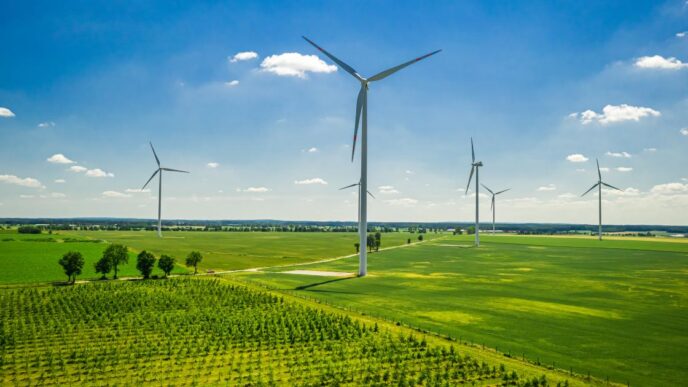
Finally, the Trans-Mediterranean Renewable Energy and Clean-Tech Cooperation Initiative, launched in June 2026, aims to accelerate renewable energy and clean technology cooperation between the EU and its southern Mediterranean partners. It supports clean, secure and affordable energy, strengthen industrial competitiveness, and creates new opportunities for investment, skills and jobs on both sides of the Mediterranean.
Background
One year after its launch, the Pact for the Mediterranean is delivering concrete benefits and new opportunities for citizens, businesses and communities. Rooted in the principles of co-creation, co-ownership and shared responsibility, it is being implemented through a regularly updated Action Plan including 30 initiatives.
The climate-related initiatives included in the Pact for the Mediterranean build on the existing work of the EU in partnership with the southern Mediterranean, namely the Water and Environment Support-Biodiversity and Climate Action (WES-BCA) project, the Bolstering Mediterranean biodiversity and MCPAs for nature (SEMPA Project), AdapAction, and Advancing Climate Adaptation in the Southern Mediterranean (ACA-MED).
Quote
“By investing together in the clean transition, the EU and its Mediterranean partners can create jobs, diversify energy supplies and bring clean energy to more people. Here at COP31 in Antalya, we are working through the Pact for the Mediterranean and the Union for the Mediterranean’s Climate Action Plan to turn our shared climate priorities into projects that can attract investment. We are doing this for young people and for generations to come. That is why we are also consulting young people and asking them to help shape how we put these plans into practice.”
Dubravka Šuica, Commissioner for the Mediterranean