

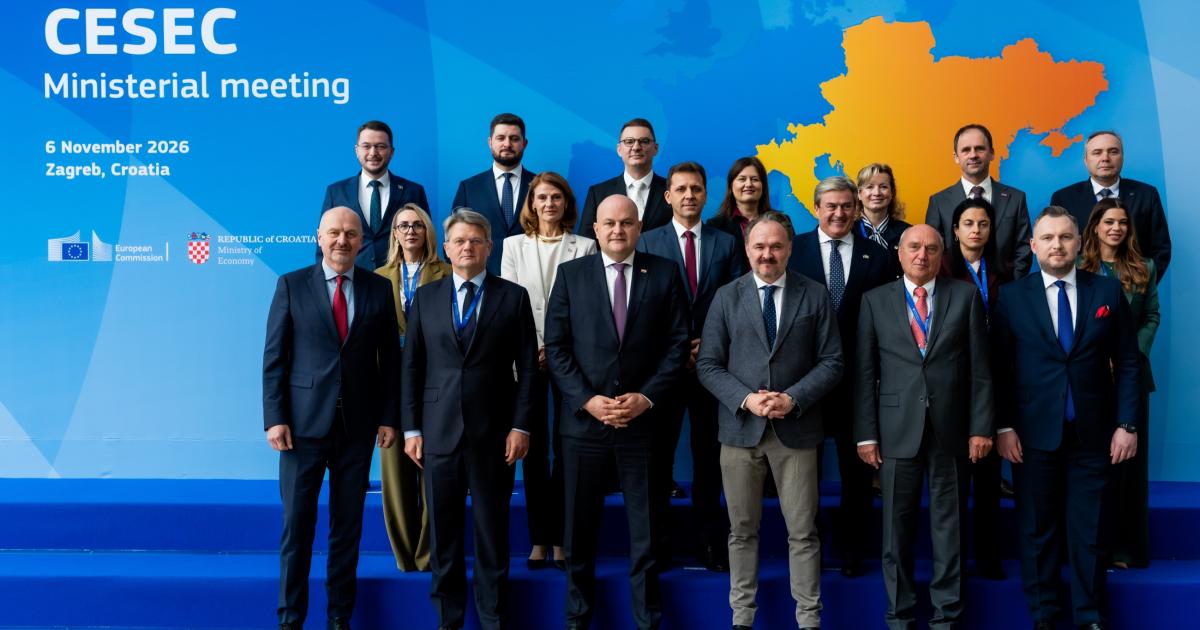
The Commission and Ministers of the Central and South-East European Energy Connectivity (CESEC) High-level group met in Zagreb today to explore progress on cross-border energy infrastructure, electrification and measures to meet the challenge of high energy prices. The group also officially welcomed 2 new members, Czechia and Poland. This expanded membership demonstrates a strong commitment to work jointly to strengthen electricity interconnections in the region, diversify energy supplies and increase energy security.
Dan Jørgensen, Commissioner for Energy and Housing, representing the Commission, said,
‘High energy prices are a clear signal of the financial, security and strategic cost of EU dependence on polluting fossil fuel imports. Our measures to diversify supplies, deploy more homegrown clean energy and electrify the economy are the right ones. All this must be underpinned by adequate infrastructure and market integration. Through CESEC we’ve achieved a lot for this region. Now is the time to double down and make sure we have a system that truly delivers secure, clean and affordable energy.’
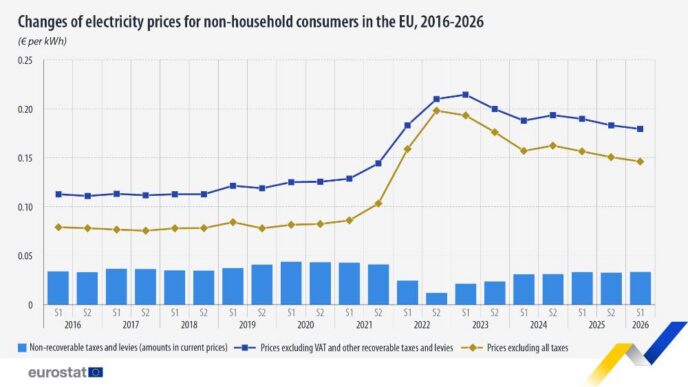
Discussions reflected concerns over persistently high energy prices in the region and explored immediate and longer-term measures to ensure strategic projects progress swiftly, businesses remain competitive and communities are shielded from the worst of the socio-economic impact. A particular focus was the way the gas market functions and the need to use existing electricity infrastructure more efficiently, using smart solutions and additional cross-border electricity connections to shield consumers from volatile electricity prices.
The Commission’s Electrification Action Plan, published in July, points to the need to increase the share of energy from an electrified energy system from 23% today to 46% by 2040. This requires a modern and flexible electricity system that can accommodate a rise in clean energy to make EU industry more competitive and to increase investment in the innovation and skills that drive it.
Finally, the Commission renewed the mandate of Prof Dr Klaus-Dieter Borchardt as ‘CESEC Coordinator’, who will continue to promote interconnectivity and the functioning of Central- and South-East European energy markets.
Background
The High-Level Group for Central and South-East European Energy Connectivity (CESEC) was set up in 2015 to work collectively in the region to develop the cross-border infrastructure necessary to diversify gas supplies and strengthen security of supply. In 2017, the scope of regional cooperation was expanded to include electricity and renewable energy.
EU countries that are members of CESEC are Austria, Bulgaria, Croatia, Czechia, Greece, Hungary, Italy, Poland, Romania, Slovakia and Slovenia.
Albania, Bosnia and Herzegovina, Kosovo, Montenegro, Moldova, North Macedonia, Serbia and Ukraine, are members, as Energy Community contracting parties.