

Exceptional heat and dryness changed the growing season in western and central Europe
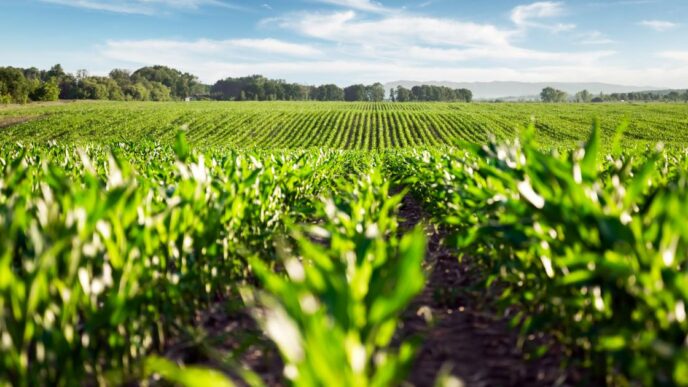
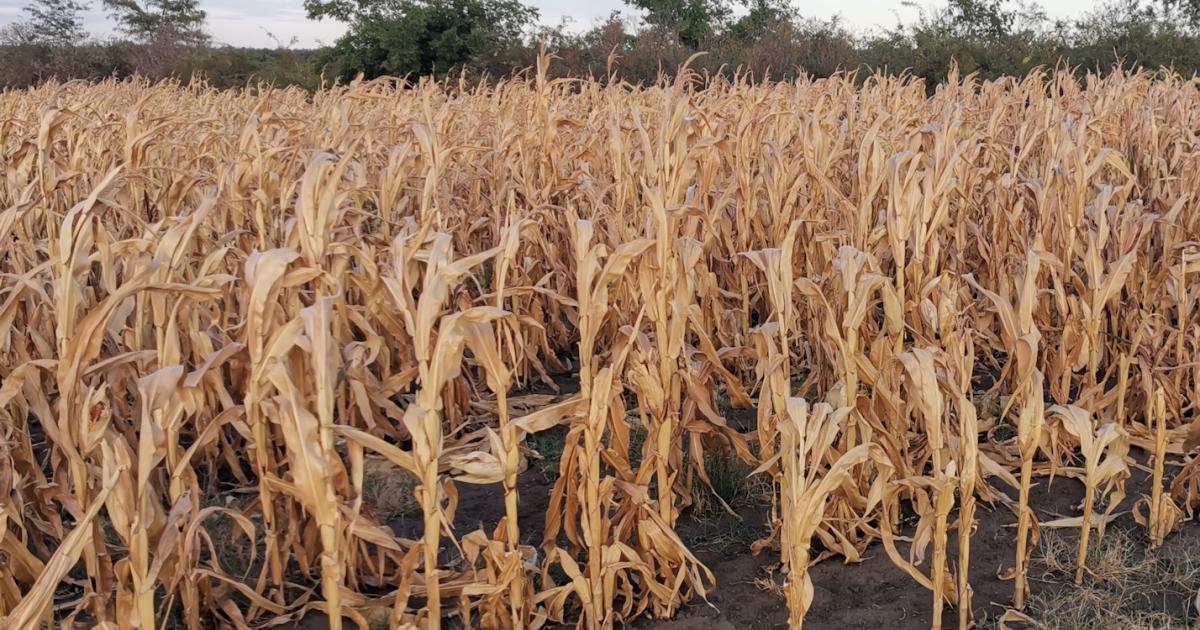
What started as a generally favourable growing season for 2026 changed rapidly during the exceptionally hot and dry summer. This period saw an unusually high number of hot days, with temperatures rising above 35 degrees Celsius, and tropical nights, when temperatures did not fall below 20 degrees Celsius. At the same time, severe rainfall deficits led to increasingly dry conditions and depleted soil moisture. The heat accelerated crop development and aging, meaning plants passed more quickly through critical stages of growth, such as flowering and grain filling. Combined with limited water, this left crops less time and fewer resources to grow and form well-developed grains, tubers and cobs. JRC crop models show the scale of this acceleration: in the worst‑affected areas, maize reached maturity up to three weeks earlier than usual in some areas. In the most severely affected regions, crops aged and dried out prematurely, leading to major harvest losses and, in some cases, complete crop failure.
Summer crop yield prospects fall sharply
The timing of the extreme weather conditions made a crucial difference. Winter crops had mostly finished growing before the most severe summer heat and drought struck, so their yields stayed close to the average for the past five years. Summer crops, however, were still at critical stages of development and were therefore much more vulnerable to the extreme conditions.
As of September, JRC MARS forecasts for the EU indicate yields well below the five-year average for several major summer crops:
- soybeans 15 % lower,
- fresh (green) maize 14 % lower,
- grain maize 8 % lower,
- potatoes 7 % lower,
- sugar beet 11 % lower.
The impact on total production is expected to be even greater. In some of the hardest-hit areas, crops were so severely damaged that harvesting is no longer economically viable and fields have been abandoned. As a result, production losses for several summer crops are expected to substantially exceed the reductions in yield alone.
Less grass, less fodder
Grasslands also experienced a sharp turnaround. After a good start to the season, prolonged heat and low rainfall dried out soils and caused grass growth to decline rapidly across much of western and central Europe, coming to standstill in some regions. At the same time, prospects for green maize, another important source of animal feed, worsened considerably.
Livestock farmers faced pressure from several sides: less grass for animals to graze, less grass to harvest for winter feed and lower production of green maize. Together, these losses substantially reduced the availability of animal feed in the most affected regions, leading some farmers to reduce their herds.
From impact to preparedness
The summer of 2026 offers a glimpse of the increasing challenges that European agriculture faces as the climate warms. Extreme heat and severe rainfall deficits occurred at the same time, reducing crop and fodder production and putting pressure on farmers and food supply chains. Looking ahead, European agriculture will continue to face a wide range of weather hazards, including not only heat and drought but also late frosts, heavy rainfall and flooding, with many of these hazards becoming more frequent or severe as the climate changes.
Strengthening resilience is becoming increasingly important, from improving water management and domestic supply of protein to better anticipating agricultural risks. Recent EU initiatives, including the Water Resilience Strategy, the Livestock Strategy and Protein Action Plan, address these challenges. Improvement in crop monitoring and extending the time horizon of yield forecasts can help to detect emerging risks earlier, giving farmers and policymakers more time to prepare and take action.
A new crop-monitoring approach developed by the JRC AGRI4CAST team could be a game changer for crop monitoring in Europe. Using high-resolution Sentinel-2 satellite imagery, it makes it possible to monitor individual crop types across Europe, rather than vegetation as a whole. The first results, focused on maize, are published in the September edition of the JRC MARS Bulletin.
Background
The scientists behind the JRC’s MARS Bulletin – Crop Monitoring in Europe provide monthly assessments of crop conditions across the EU and neighbouring countries. Alongside qualitative assessments per country, the Bulletin delivers quantitative in-season yield forecasts for cereals, oilseeds, and root crops. This work is carried out through the MARS Crop Yield Forecasting System (MCYFS), which combines satellite observation, meteorological data and forecasts, crop growth modelling, agricultural statistics, and expert knowledge to produce reliable yield estimates.
This activity is part of the JRC’s broader AGRI4CAST programme that supports transparency in agricultural commodity markets. It also feeds into international cooperation efforts, contributing to MED-AMIN, a network supporting Mediterranean countries in building crop monitoring and early warning systems, and to GEOGLAM’s Crop Monitor for AMIS, which supports the G20’s Agricultural Market Information System hosted by FAO to improve global food security monitoring.
Complementing the monthly Bulletin, the JRC MARS Explorer and JRC MARS Atlas gives users near-real-time access to weather and crop condition maps at 10km resolution covering key environmental indicators such as temperature, climatic water balance or rainfall
Running for more than three decades, this monitoring and forecasting work supports the EU’s Common Agricultural Policy, and the broader goals of climate resilience and food security that underpin the European Green Deal.
For dedicated drought information, please visit the European and Global Drought Observatory of the Copernicus Service (link below), whose experts publish a monthly drought report for Europe.